
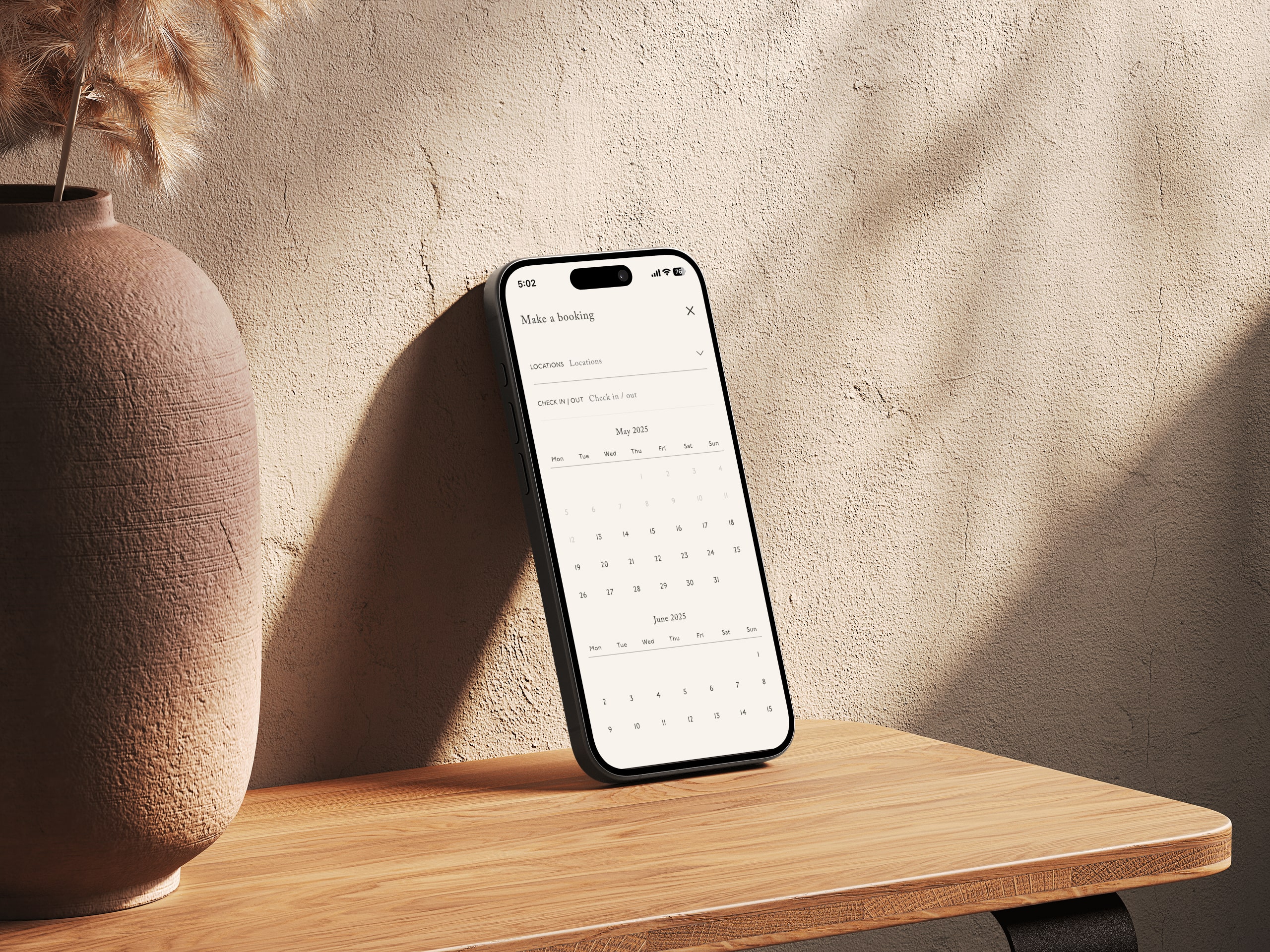
Driving a 167% increase in hotel room searches
Selling a Story, Not Just a Stay.
Building on the success of Hoxton hotels and the $3 billion merger with Accor, Ennismore aimed to enhance the digital experience across its collection of lifestyle brands. As Head of Design, I established the in-house team, systematising our approach, and led the rebranding of six global hotel chains, which boosted conversion rates, order values, and revenue.

POSITION / HEAD OF DESIGN

INDUSTRY / HOSPITALITY-TECH

VISITORS / >2 MILLION A YEAR

VALUATION / $3 BILLION

PERIOD / 2022 - 2023

Scaling the magic
The Hoxton hotels were among the first to lead with Brand and challenge the industry's conventional approach to digital experience. This not only carved out their success in an oversaturated market, but it was also one of the driving forces behind Accor's entry into a joint venture with The Hoxton to form Ennismore. The ambition was to become a global collective of entrepreneurial and founder-built brands with creativity & purpose at their heart.
To achieve this, the plan was to replicate what helped rocket The Hoxton to success and use it to invigorate some of the existing brands currently under the Accor Umbrella.
Our mission was to reimagine the digital presence of each brand, building an engaging and aspirational experience that introduced guests (and investors) to our hotels.
Exceptional Lifestyle Brands
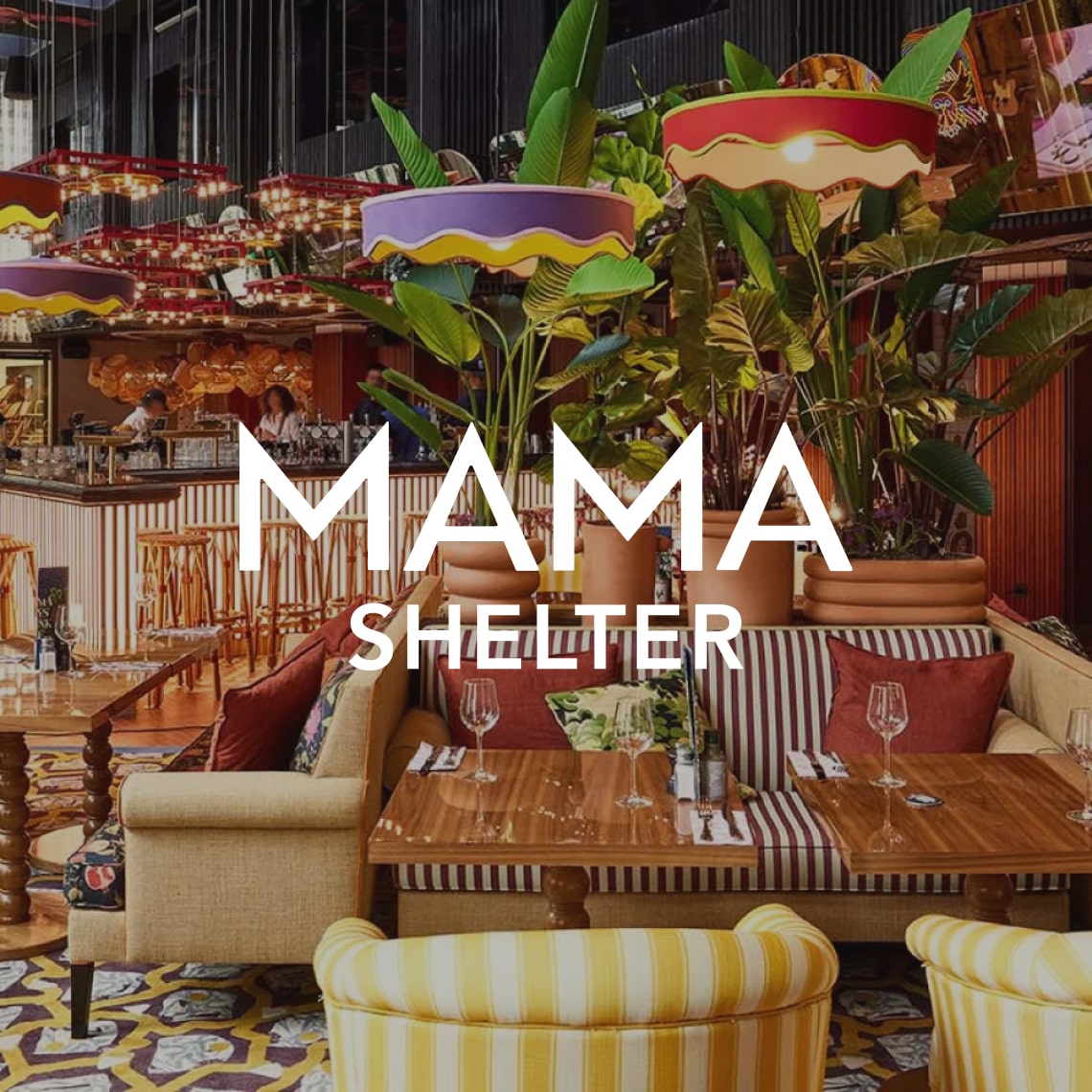
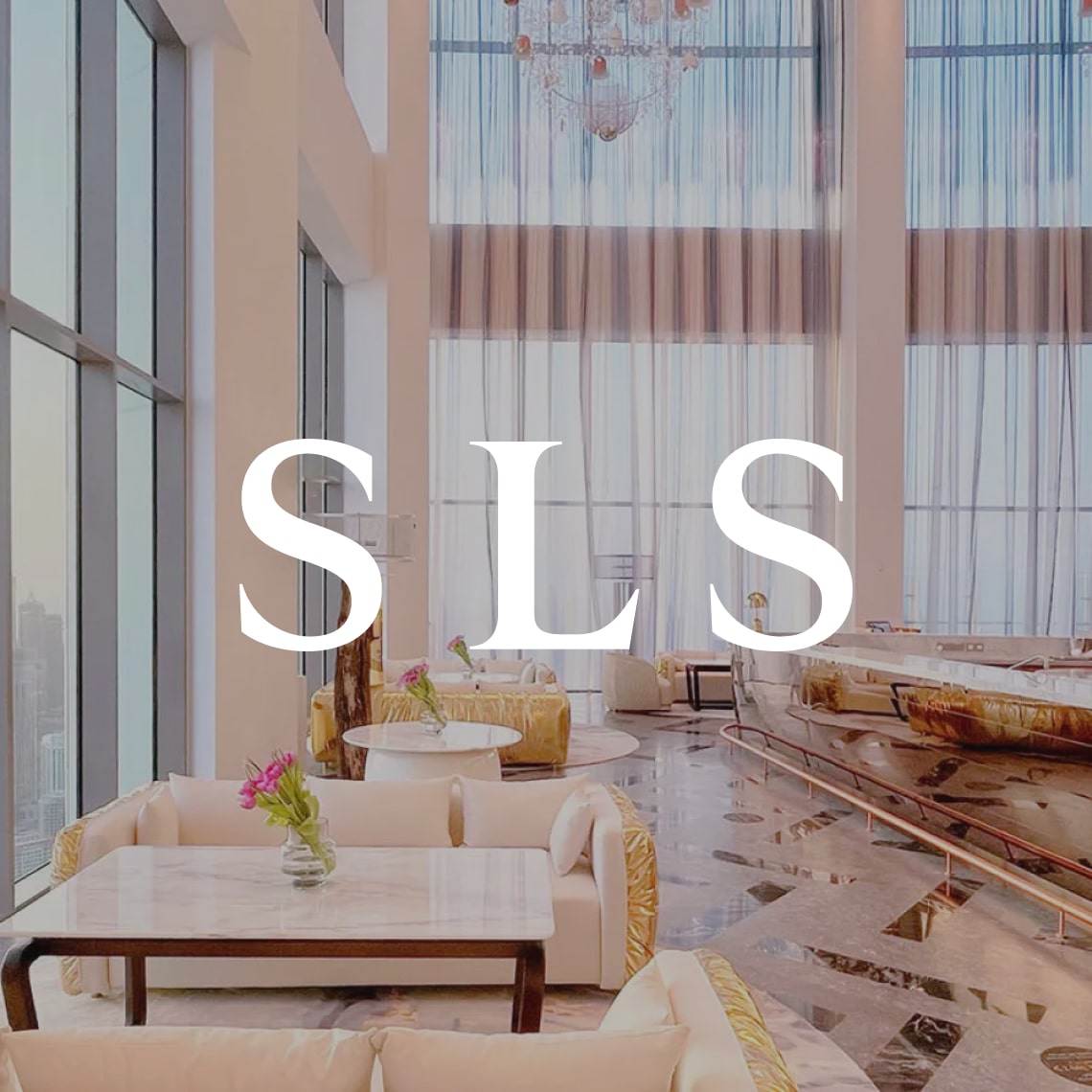
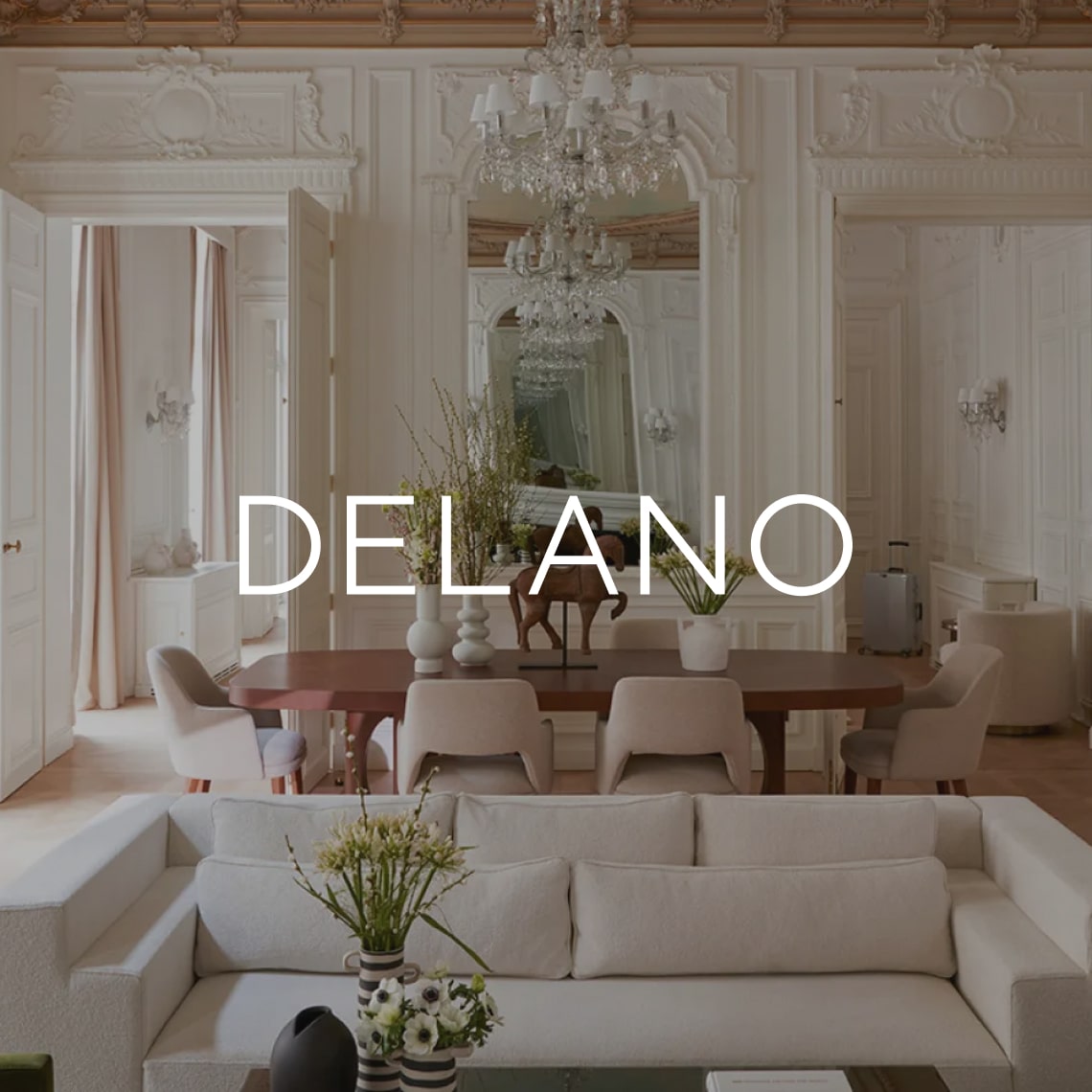
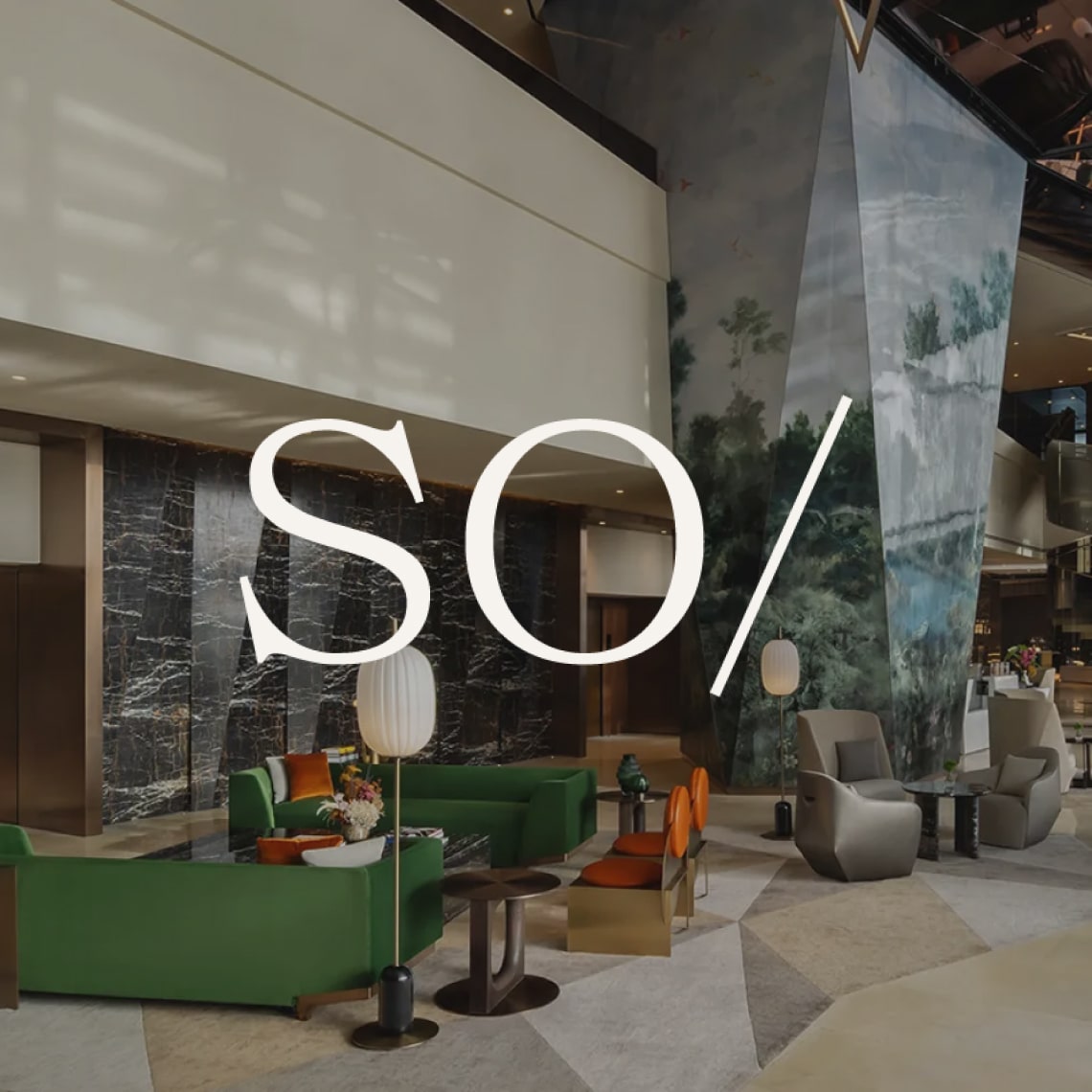
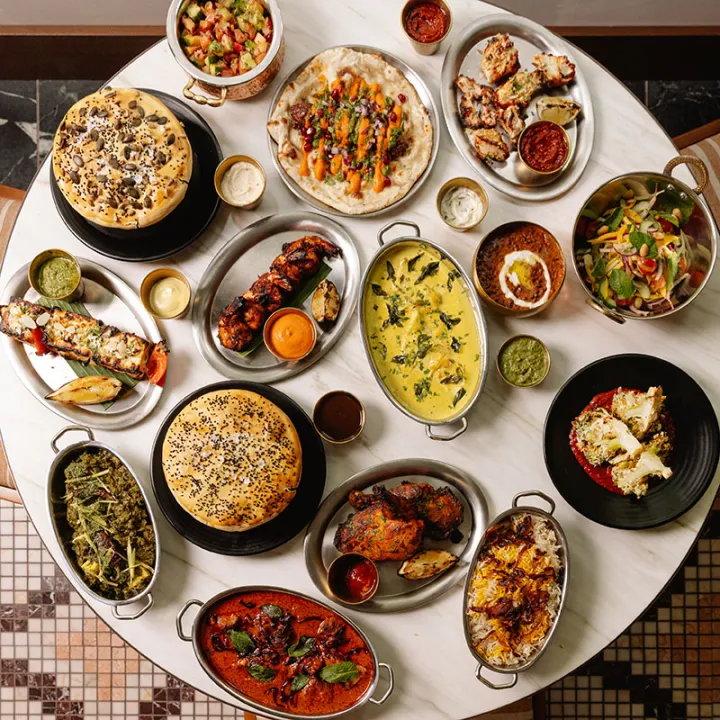
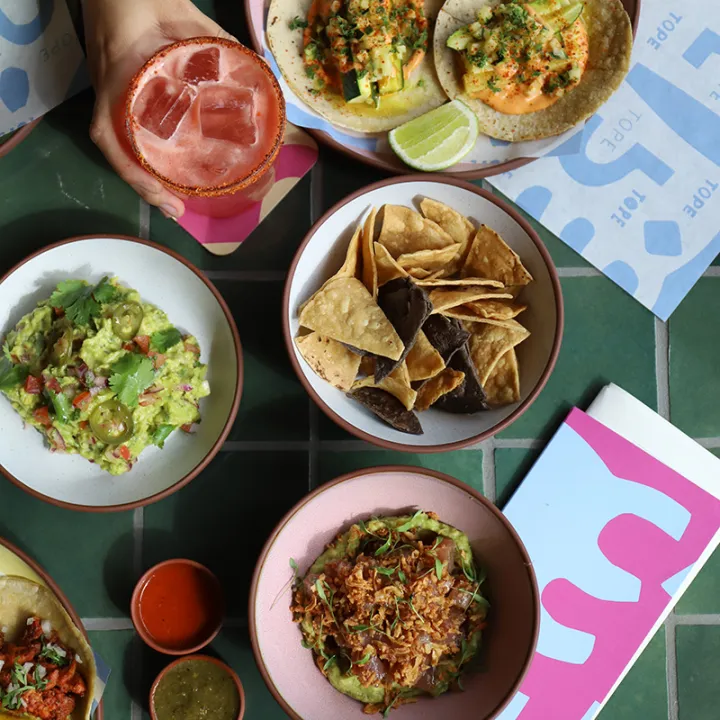
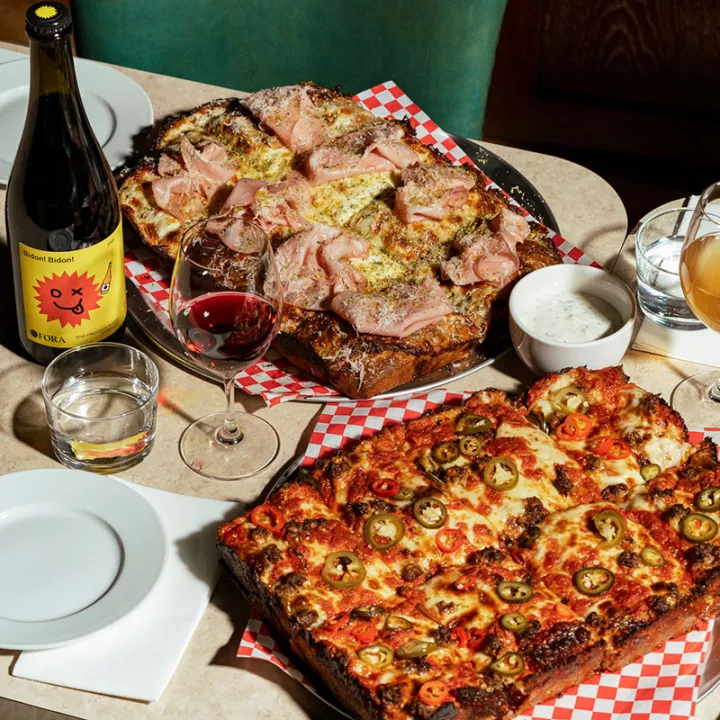
As a result of the merger, Ennismore has become Accor's "Lifestyle" division, now overseeing 11 hotel brands and 27 restaurants and bars, and expanding its workforce from 1,000 to 10,000 employees overnight.
Hotels
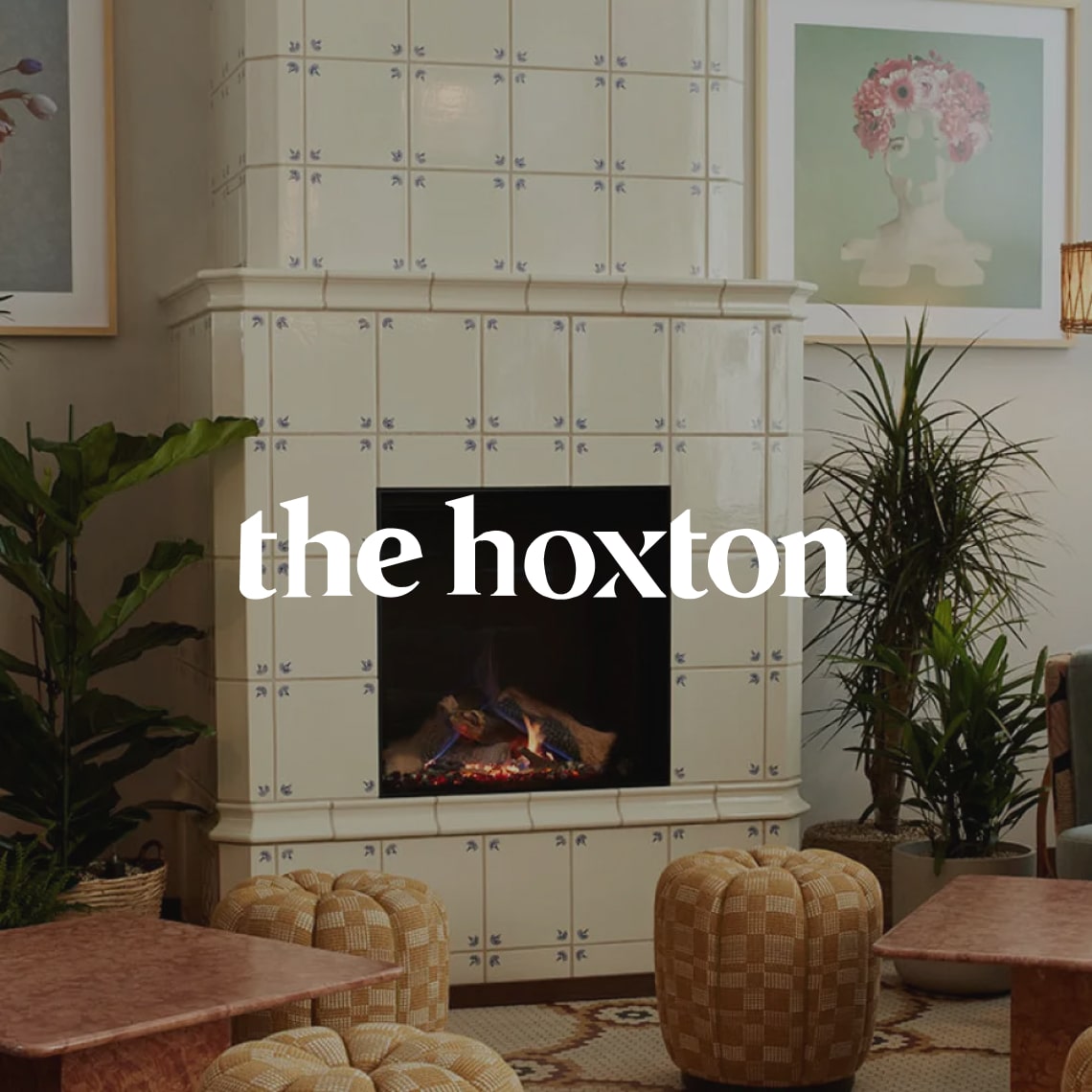
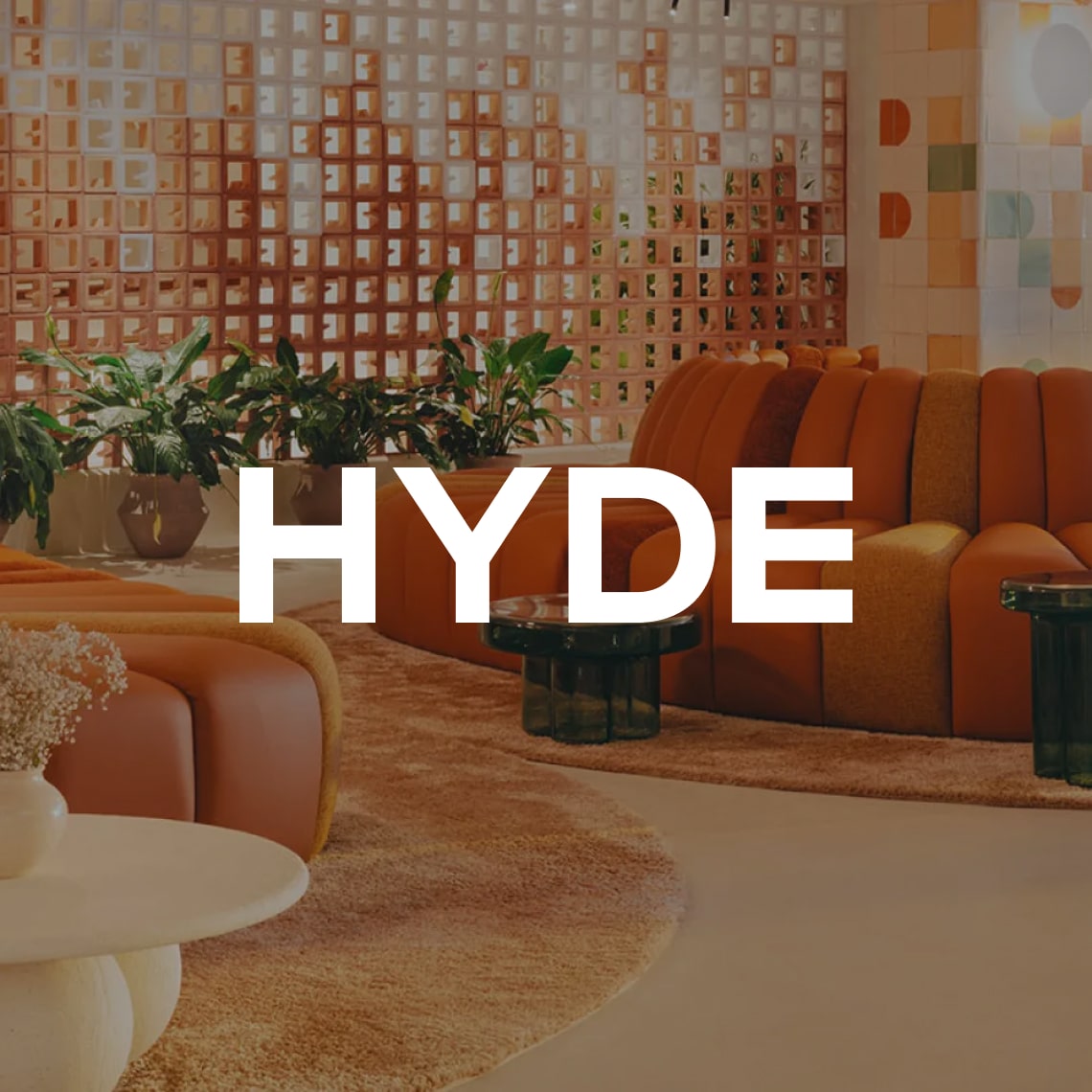
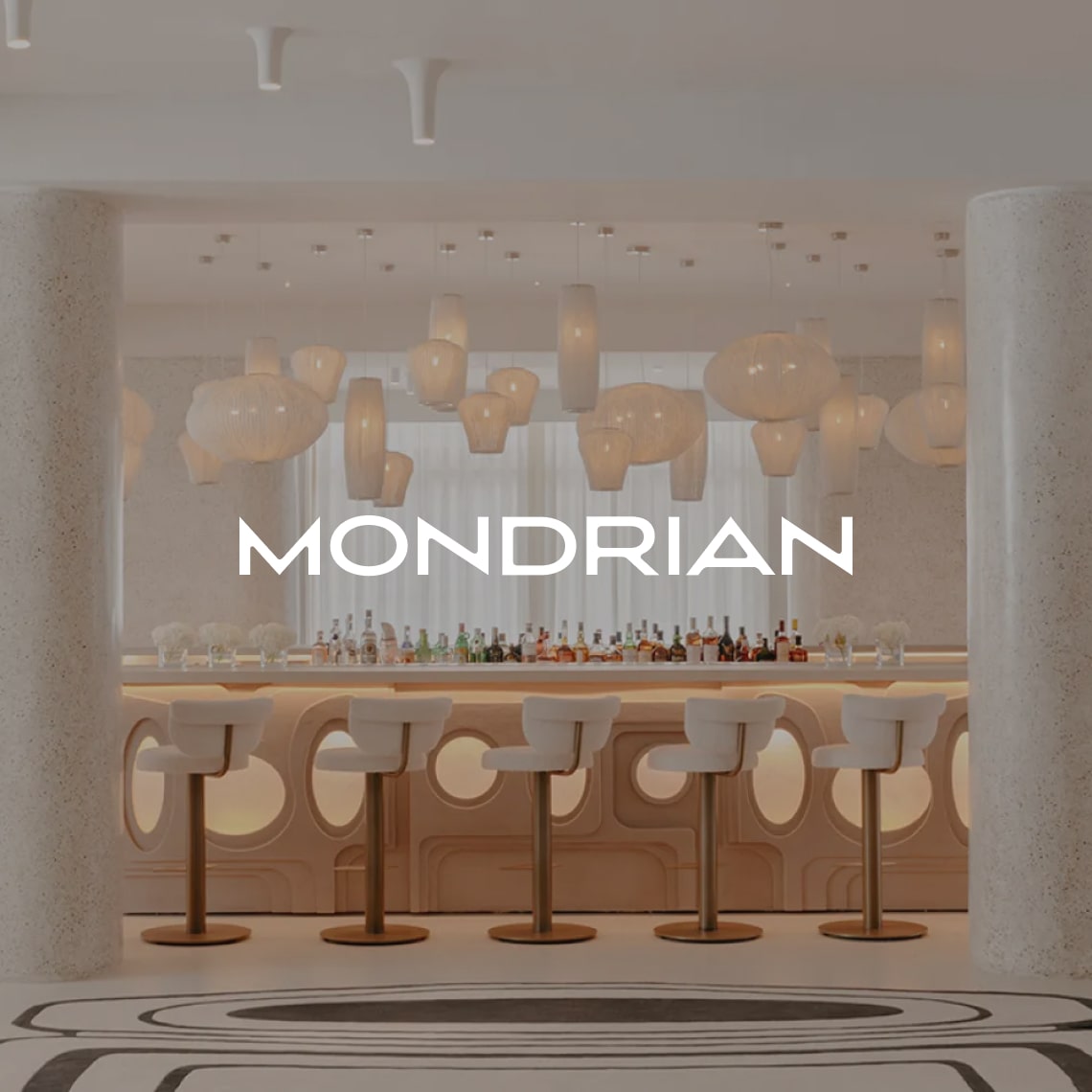
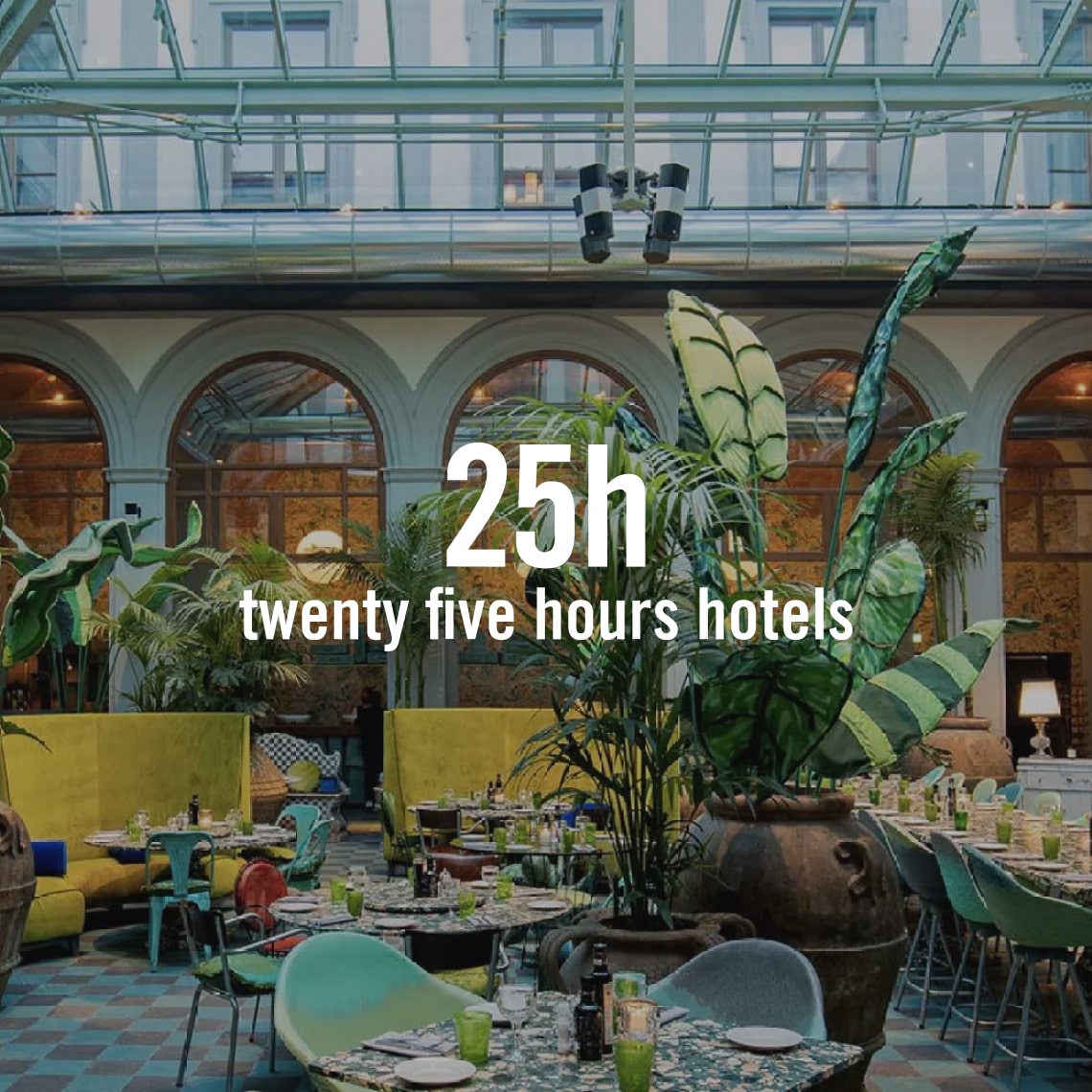
Bars & Restaurants























I
The initial landscape
Historically, the Product team relied on agencies and consultants to deliver work on an ad-hoc, site-by-site basis. Although this approach was effective when there was only one brand, it was becoming both challenging and costly to scale in this manner.
Planned rebrands were hugely delayed, and the relationship between Product and other functions, such as Brand and Marketing, had reached an all-time low.
As the second member of the Design team, my role was to establish an in-house function while initially serving as the Lead Designer for our first two rebrand projects.
We spend a lot of time creating brands that push the boundaries in hospitality, which we know can translate well to digital. However, once they reach the Product team, they declare that none of it is possible. It's frustrating!
Alex | Director of Brand
Fractured delivery process
When the team worked on the Hoxton website, they were a lot smaller, had the one brand to look after and sat within throwing distance of their counterparts in other crucial functions.
As the team rapidly expanded, the environment changed, and in response, they found themselves heavily embedded in a waterfall approach that wasn't working.
The teams were no longer collaborating; they were working in silos, "throwing things over the wall" and hoping for the best.
Understanding the pain points
Having established that the relationship between the Brand and Product teams had completely broken down, I knew that the first thing to understand was the key reasons behind this. I consulted with my team, as well as the Brand, Operations, and Commercial teams, to gain a comprehensive understanding of what had led to this situation.
Here's what I found:
No universal understanding of effort vs. time
The need for complex UX/UI experiences with impossibly short deadlines
Constant scope creep and last-minute changes
Crucial requirements often missed and key stakeholder feedback left too late
Unpredictable and constantly sliding timelines
Launches were regularly adjusted to align with various business requirements that didn't take into consideration digital constraints.
No user testing
No budget for testing outside of professional accessibility and usability reviews. Designs lacked any user input.
Fixation on UI and visuals over UX
Being a brand-led business, the focus was often on the appearance of something over the user's ability to complete a task.
Reworking the "Agency" structure
Although Ennismore operated as the central hub for all of the brands and hotels, it employed an agency model approach for creative and digital teams known as "Studios". This meant that every team had complete autonomy in the way it operated, owned its own PL and was seen as an independent cost centre expected to drive revenue and profit. This had its advantages, but proved almost impossible to coordinate as the business grew rapidly and priorities became misaligned.
High expectations, with less budget
The Hoxton website not only looked good, but also performed well, generating huge amounts of direct bookings. It effectively encapsulated the Hoxton DNA, offering an introduction to the brand while driving people to book rooms, events and tables.
The expectation was that this could be replicated for the other brands, thereby gaining the commercial advantages and elevated brand storytelling.
Oh, and it needed to be achieved at a quarter of the cost... Easier said than done!
II
Bridging the gap and fostering collaboration
Having grasped the core issues, I recognised that the initial priority was to improve collaboration among key teams, mend strained relationships, and set up a robust design process that supports the product teams, starting with a well-defined strategy.
The Strategy
To foster seamless collaboration and revitalise relationships across key teams, establish a robust design process/system that is able to deliver high-quality, user-centric solutions repeatedly and on schedule.
Turning off the waterfall!
One of the biggest bottlenecks for the team was that progress was delayed due to incomplete tasks. This need for "total completeness" across the board was seriously hindering delivery. The waterfall approach was failing!
To address this, I collaborated with the team to classify each page into three categories based on importance and urgency for launch. This approach enabled other teams to understand the principles of Agile without needing to delve into the theoretical details.
1. Core pages
Business or Brand critical, e.g. Homepage or Bedroom pages. Often worked on first, and the site cannot launch without them.
2. Key pages
Non-critical but hold value, e.g. Meetings & Events. Usually key to a hotel website and tends to generate indirect revenue.
3. General pages
Low traffic pages, often templated eg. Privacy Policy. Low effort with the least amount of sign-off.
Product and Brand Designers began collaborating more closely and adopted a continuous delivery approach. Along with the new Lifestyle Design System, this reduced design time by up to 50%.
Harnessing the right expertise
The Brand team was highly regarded for their visual input, often pushing the guest experience envelope and keeping Ennismore ahead of the curve. However, this focus on aesthetics sometimes negatively affected user journeys, took a long time to develop, and didn't always perform well for users.
In contrast, the Product teams struggled to quantify the value of some Brand ideas, which led to key experiences being deprioritised in the name of "Best Practice".
Effective brand execution is crucial to Ennismore's success. We needed to define where it best fits in the guest's journey. I collaborated with the Brand team to identify the most valuable moments for each approach, page by page, and developed a clear framework to guide our efforts.
Brand-led pages
These pages focused on selling the brand and immersing the user into the brand, such as the homepage. Highly visual and often included complex UI and animation
UX-led pages
These pages focus on allowing the user to find information quickly and/or complete a task accurately, such as finding out the amenities of the different room types.
Cross-functional collaboration
In a fast-paced environment, good communication and strong relationships really help make implementing changes easier. I worked with the Chief Brand Officer and Brand Directors to ensure we were all aligned and moving forward together.
Initially, we held meetings to stay updated across teams. As trust grew, we shared goals, aligned plans, and created Slack channels for spontaneous collaboration.
As a result of these efforts, the Marketing, Brand, and Operation teams became more involved in the design process, leading to deeper exploration and more innovative ideas.
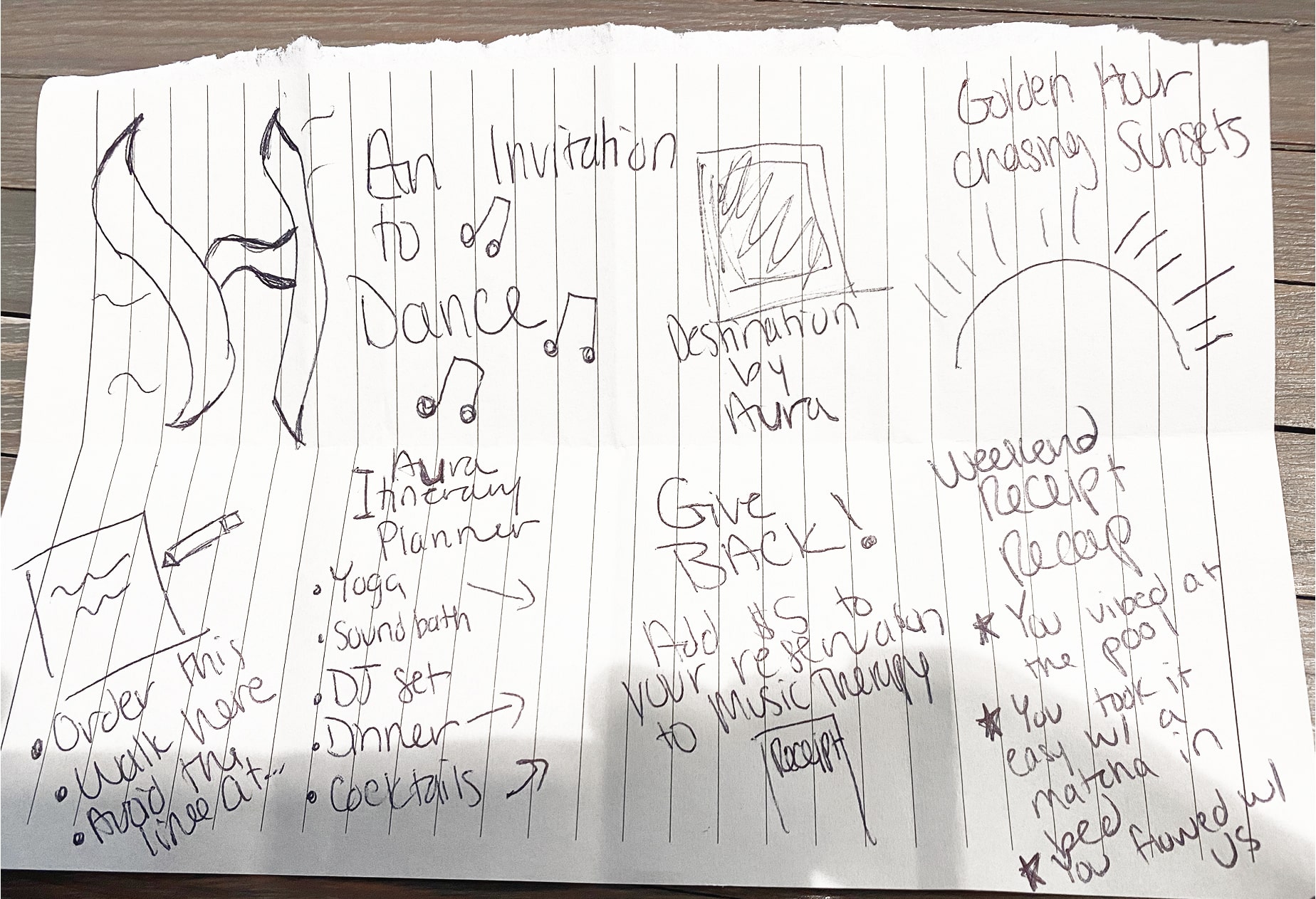
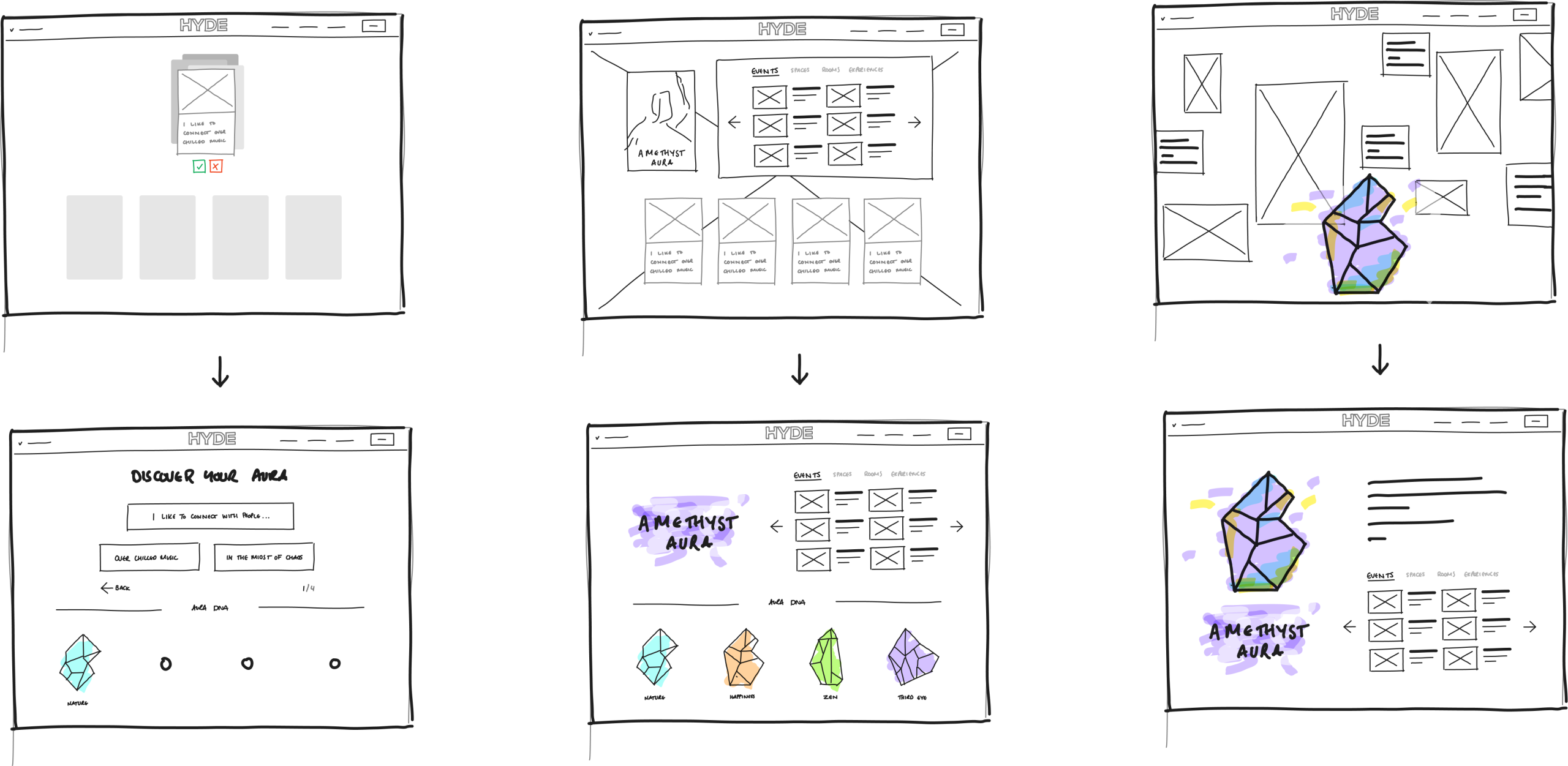
Exploring with a Marketing Stakeholder. From Crazy 8 Idea (first) to my ideation sketches (last)
Elevating our craft!
Over time, Ennismore had naturally established its principles as the success of The Hoxton confirmed what worked and what didn't. Unfortunately, none of this had been well-documented, and as the business grew, teams often diverged in their understanding of what "good" looks like.
We didn't have the luxury of time to formalise this now, so the focus was on areas that would quickly enhance our quality of output and enable us to gain that knowledge swiftly through collaboration.
Key outcomes from this included the Lifestyle Design System, weekly Brand x Product Design critique sessions, and bi-weekly demos with Marketing teams. We also introduced new tools to help us evaluate what was working, such as FullStory and Usertesting.com.
The Lifestyle Design System
III
Elevating the experiences, on time!
With a design system and component library in place, we could develop polished pages more efficiently. This fostered better collaboration with Brand Designers to craft bespoke stories and challenge conventions. There was a running joke among teams that Graphics often wanted things to "explode off the page". This wasn't far from the truth, and we now had time to figure out how to achieve it, ensuring the user wasn't harmed in the process, of course.
Central components with a high degree of customisation
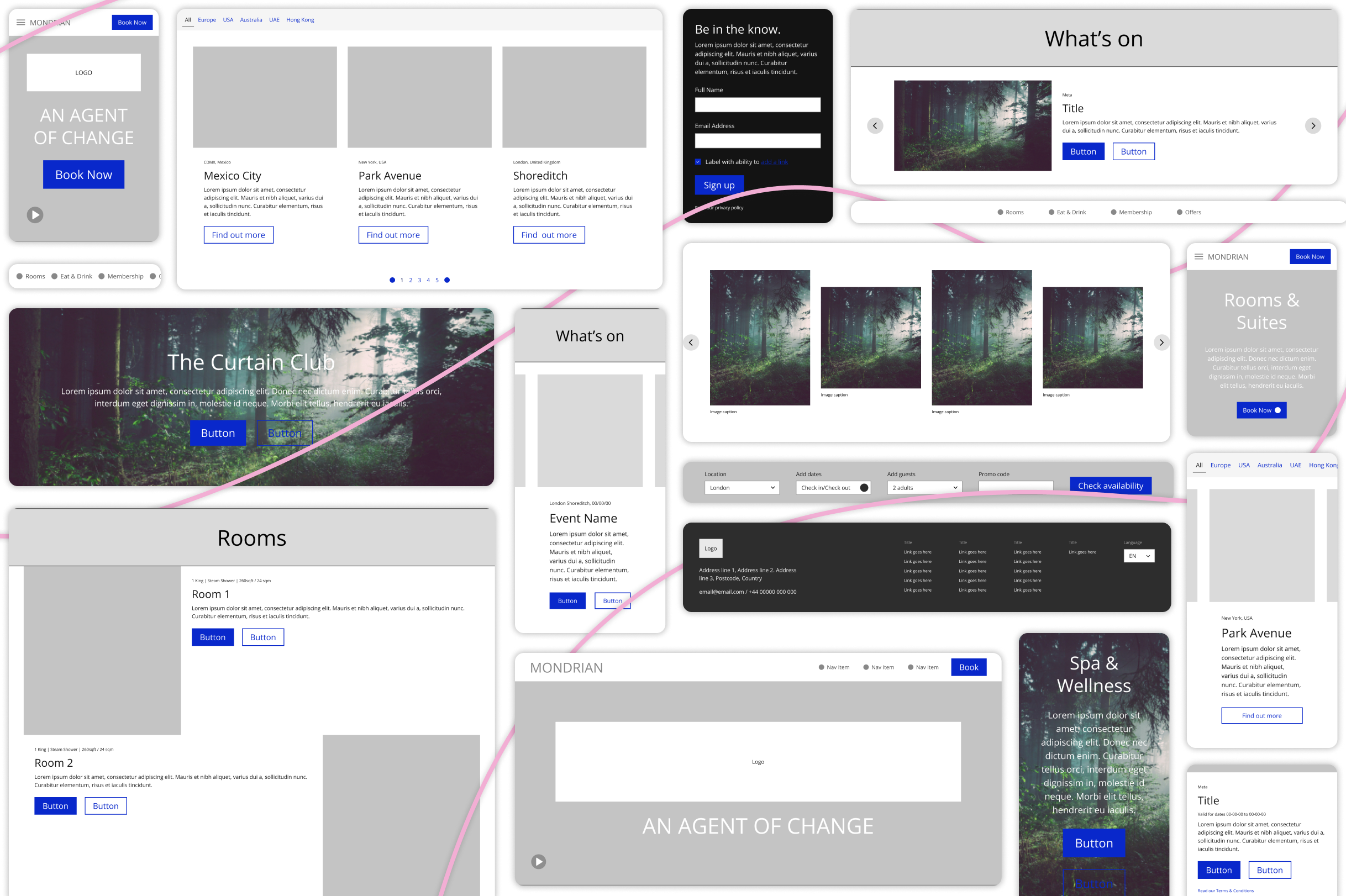
The Lifestyle Design System featured fully responsive, highly customisable components. Unstyled, these served as wireframing blocks with all relevant variables included.
The design system now plays a key role in ideation, user testing, and content creation. Brand and Marketing teams can collect page content and brief the photo shoot before finalising designs, with better insight into how users flow across the site.
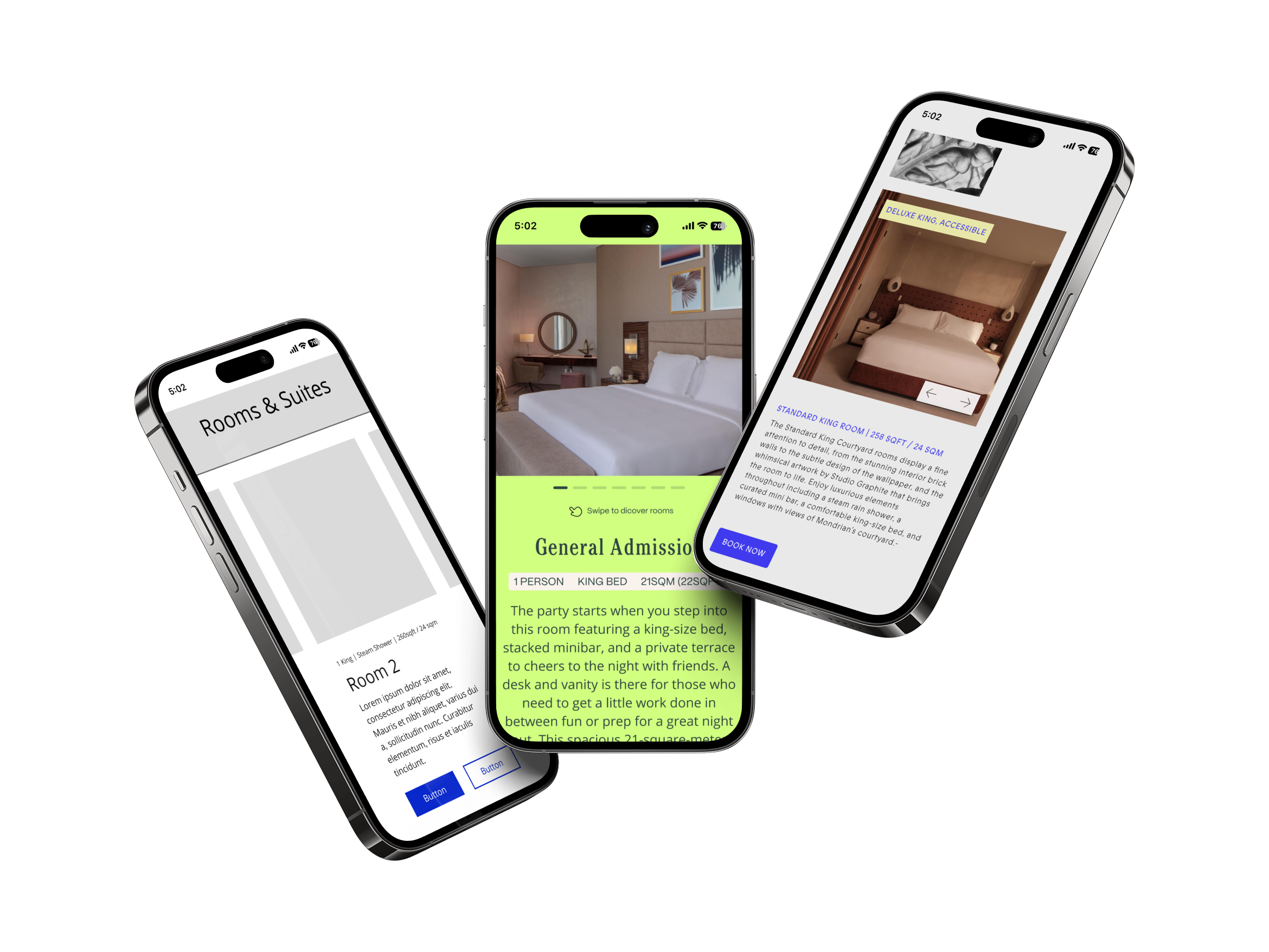
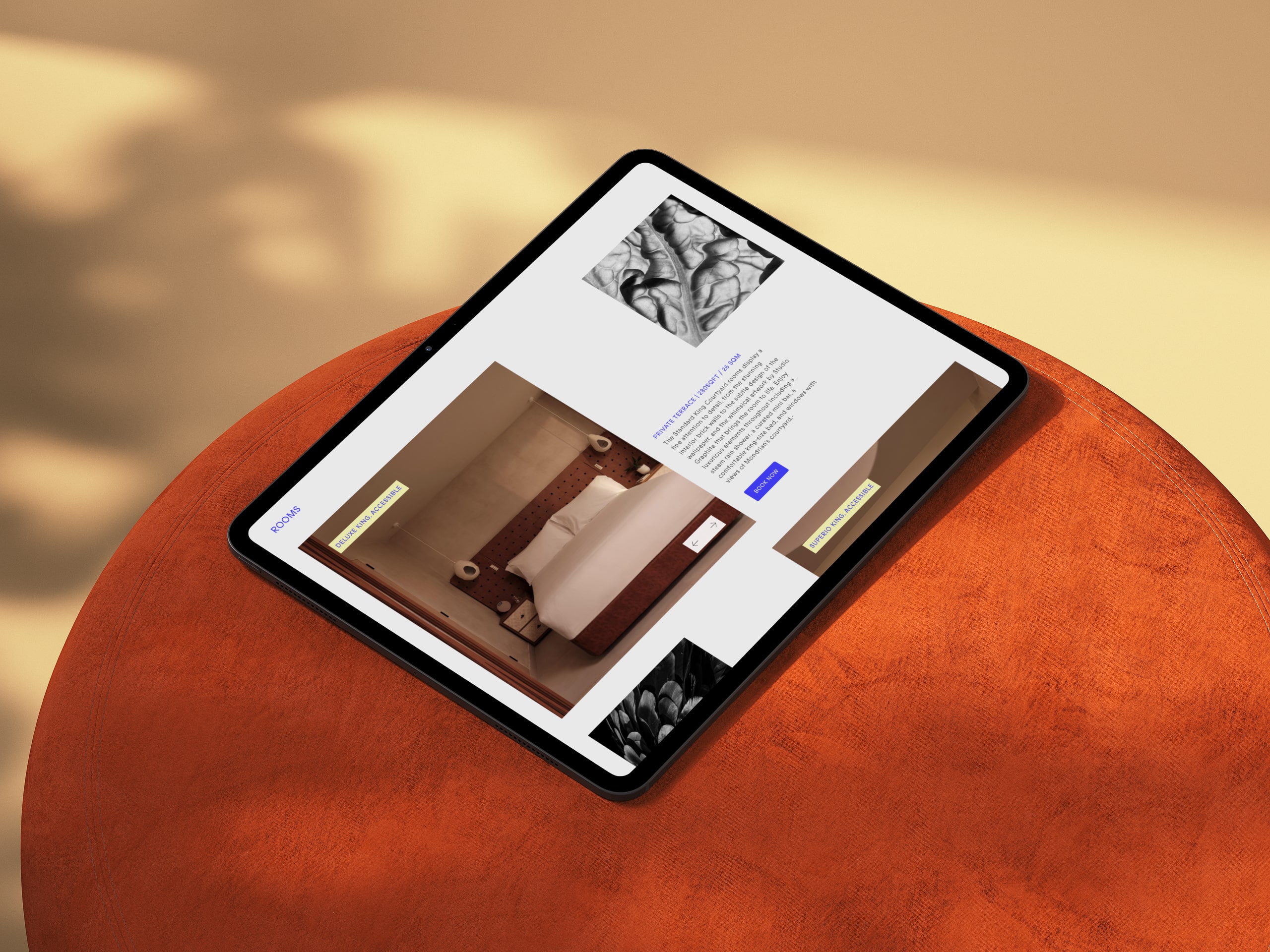
Room Component: Wireframe -> Hyde -> Mondrian
The devil in the details
Ennismore had never subscribed to churning out sub-par work. Like our hotels, every element was considered, intentional and polished. The design system empowered designers to deliver high-quality work, quickly.
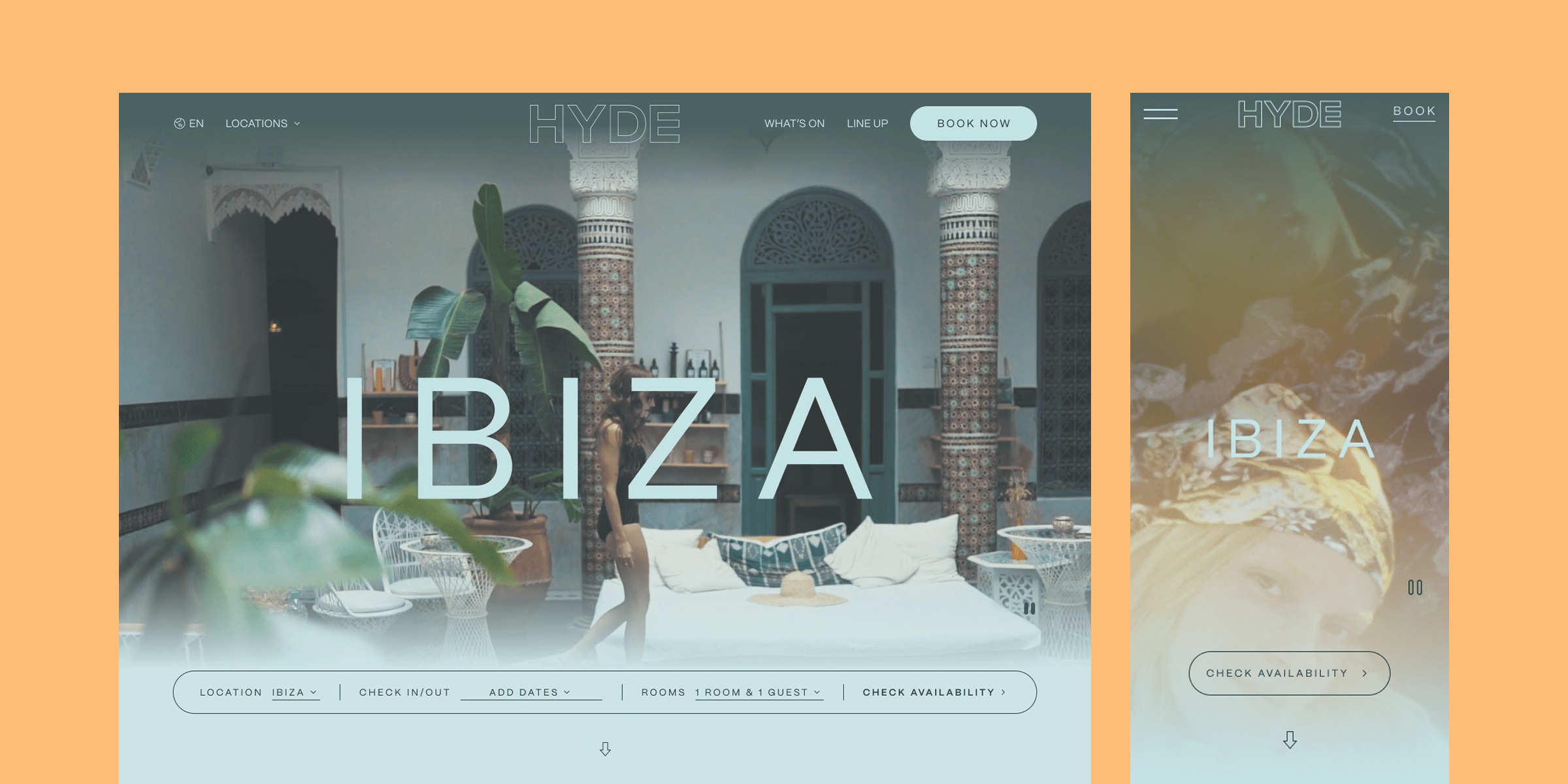
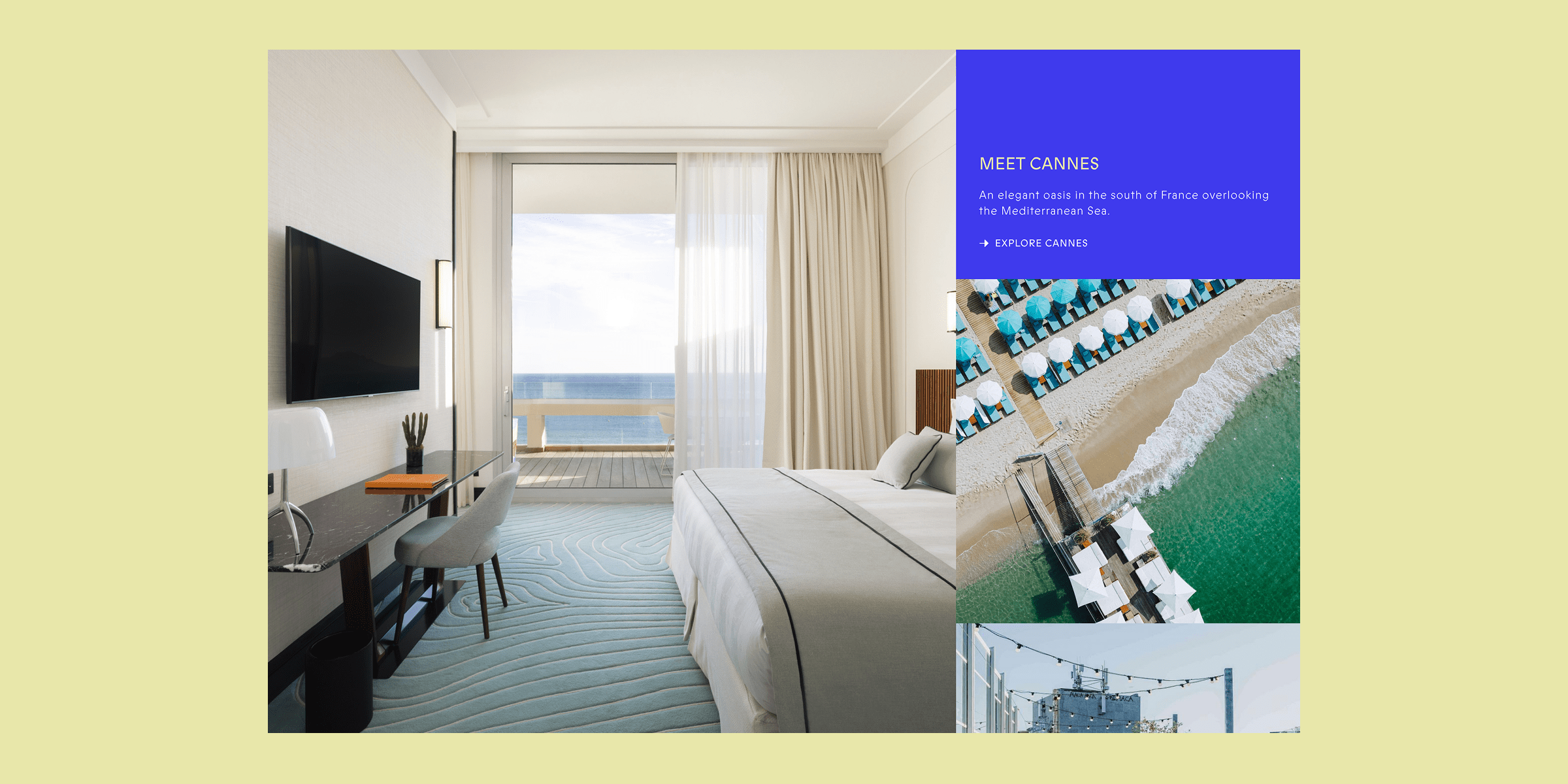
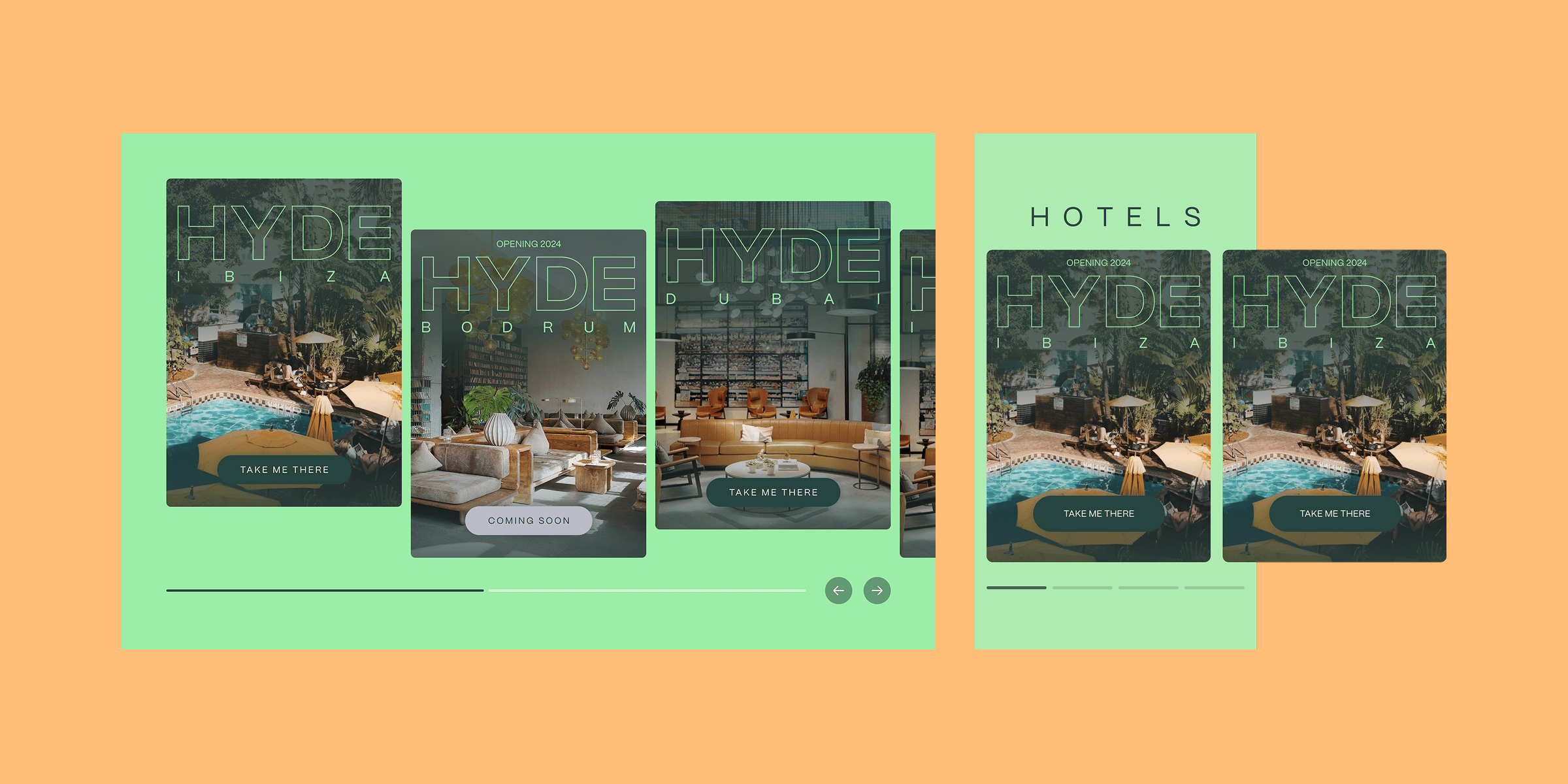
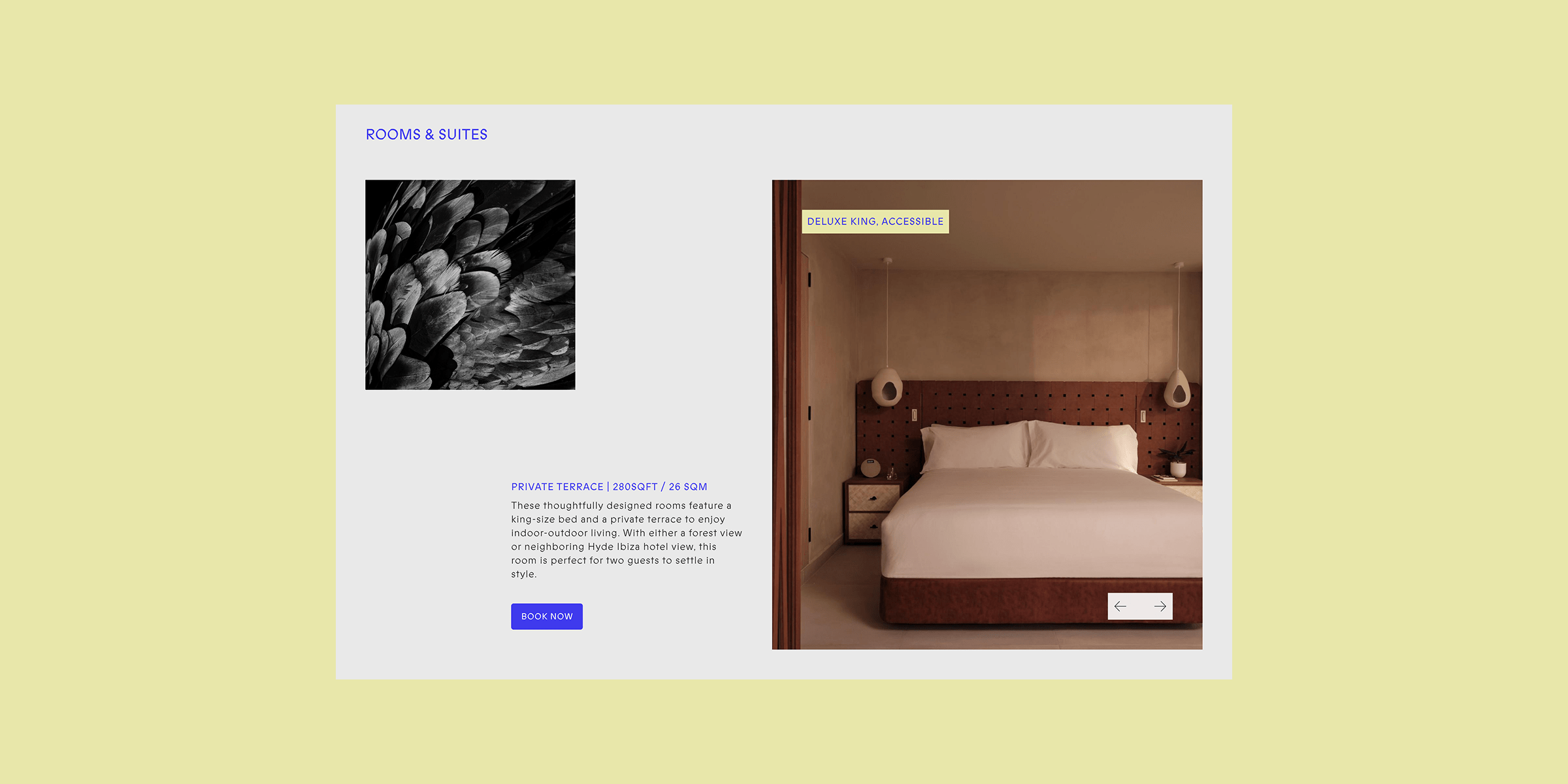
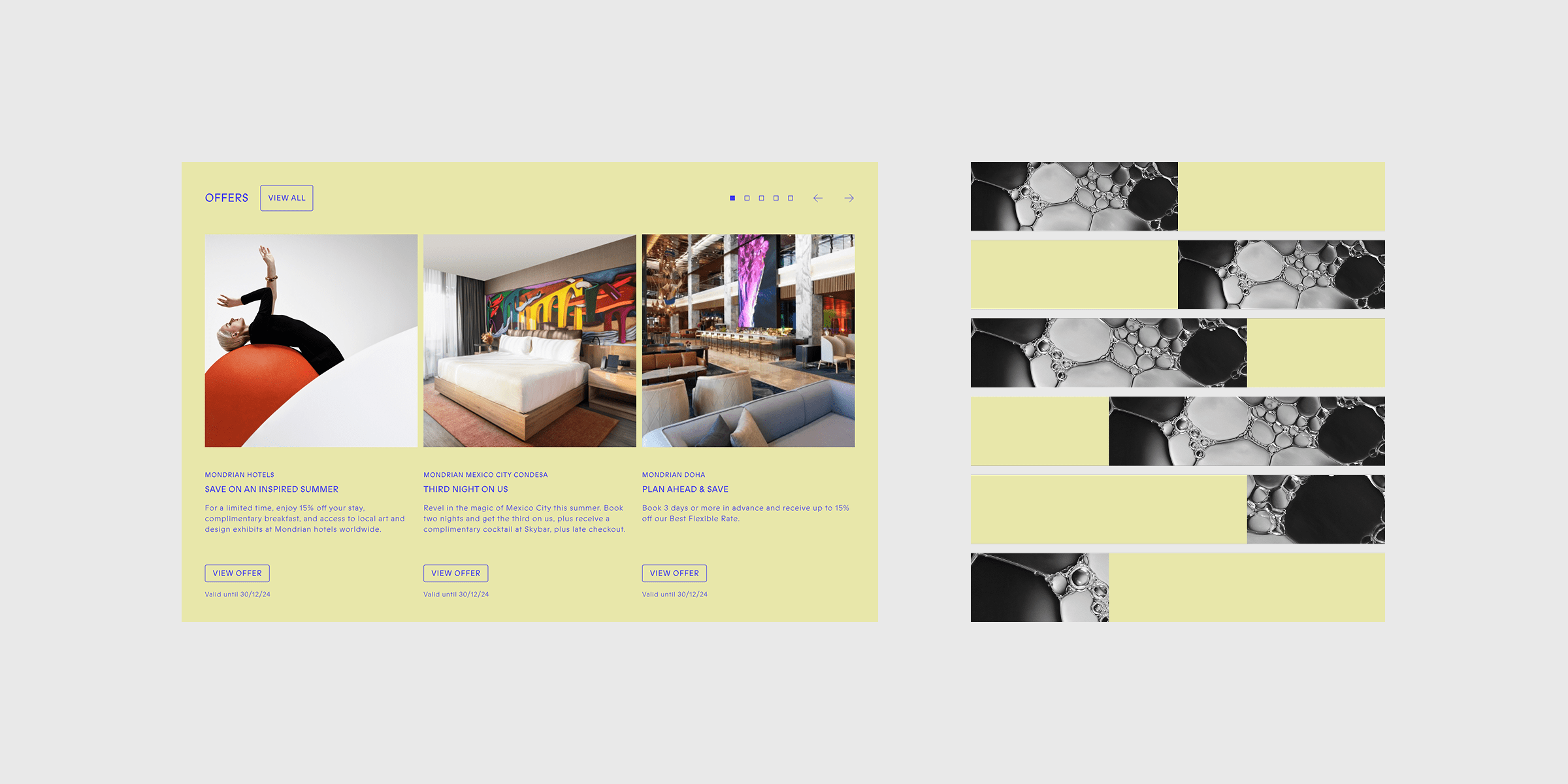
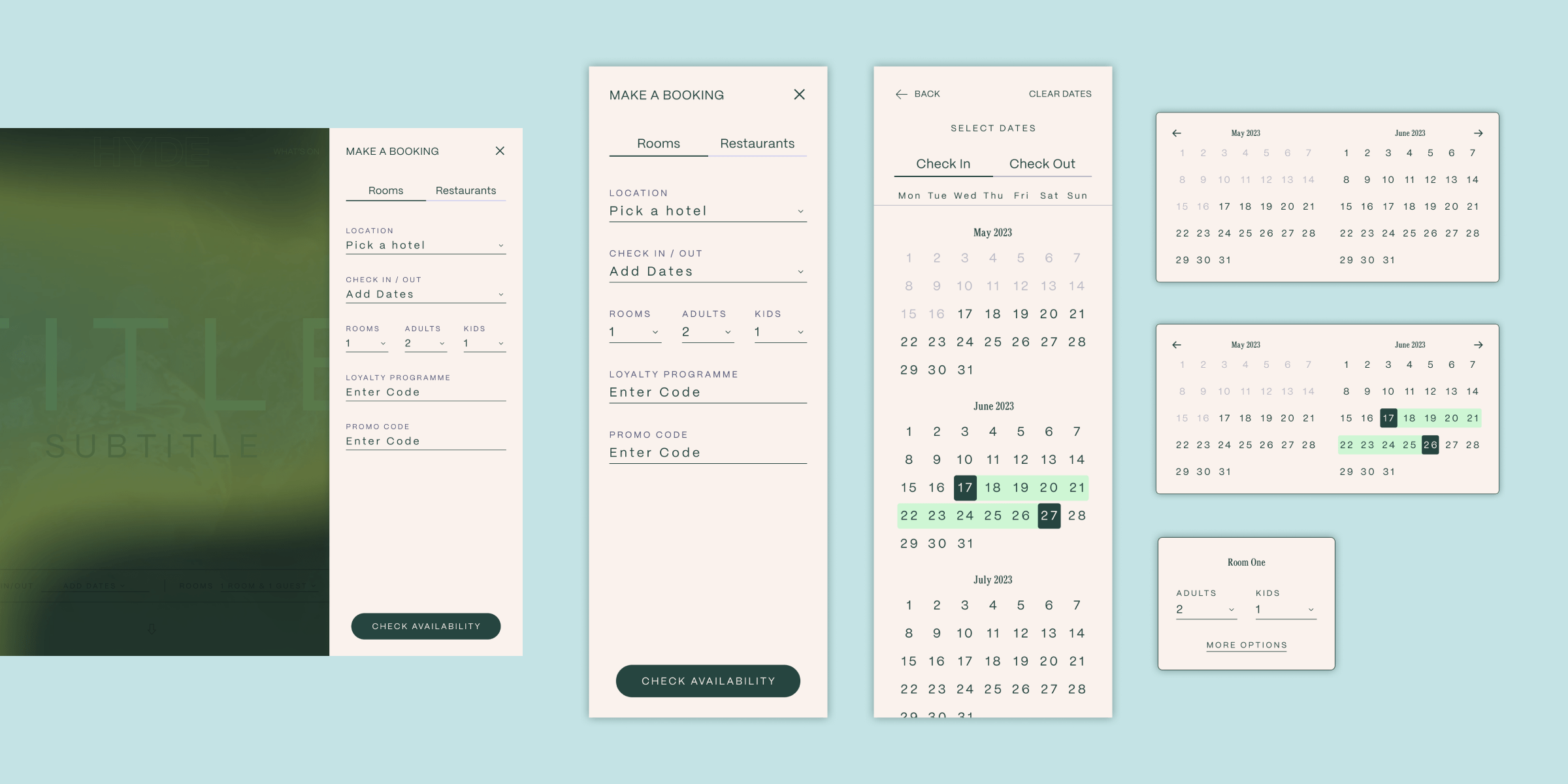
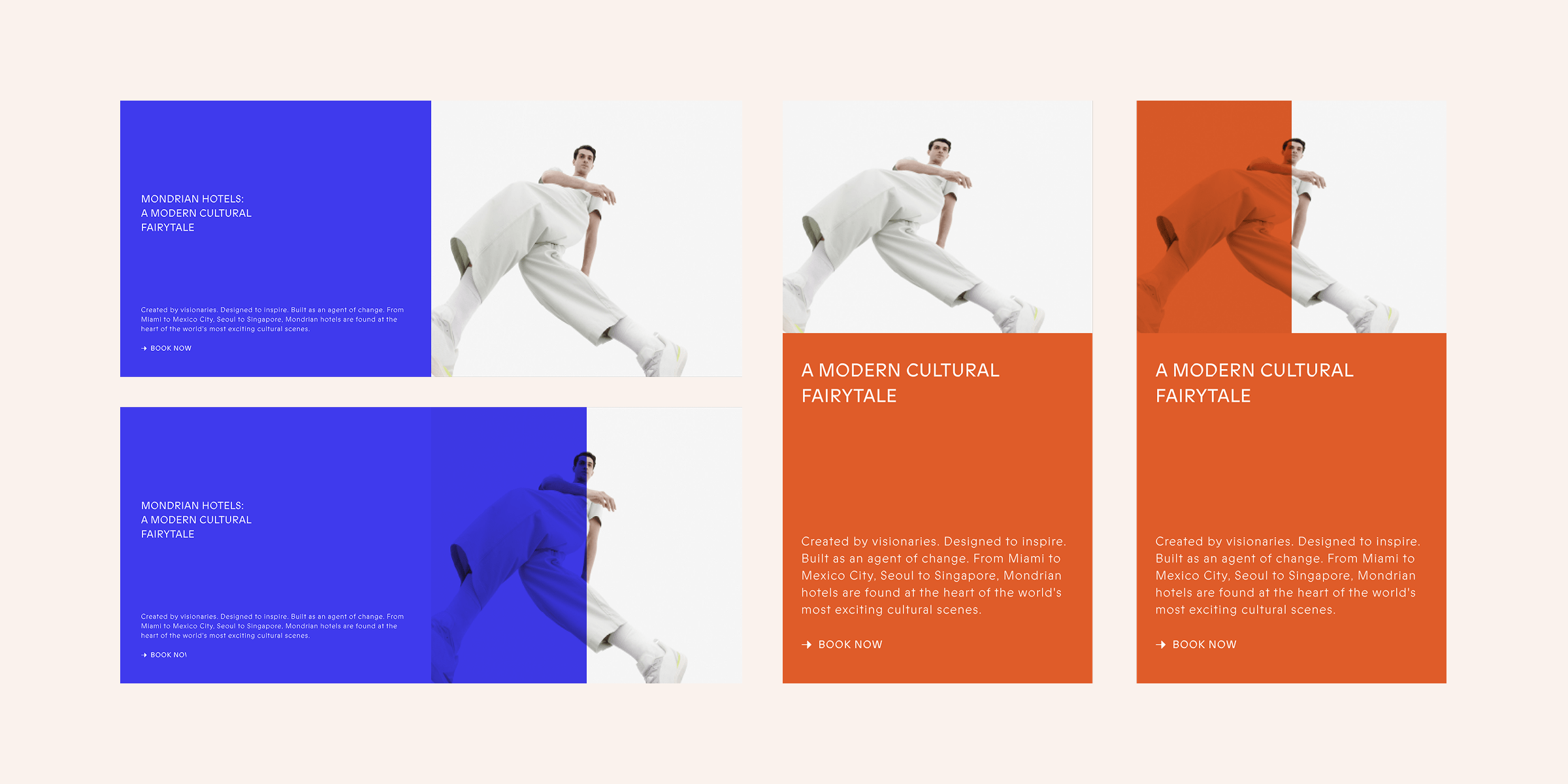
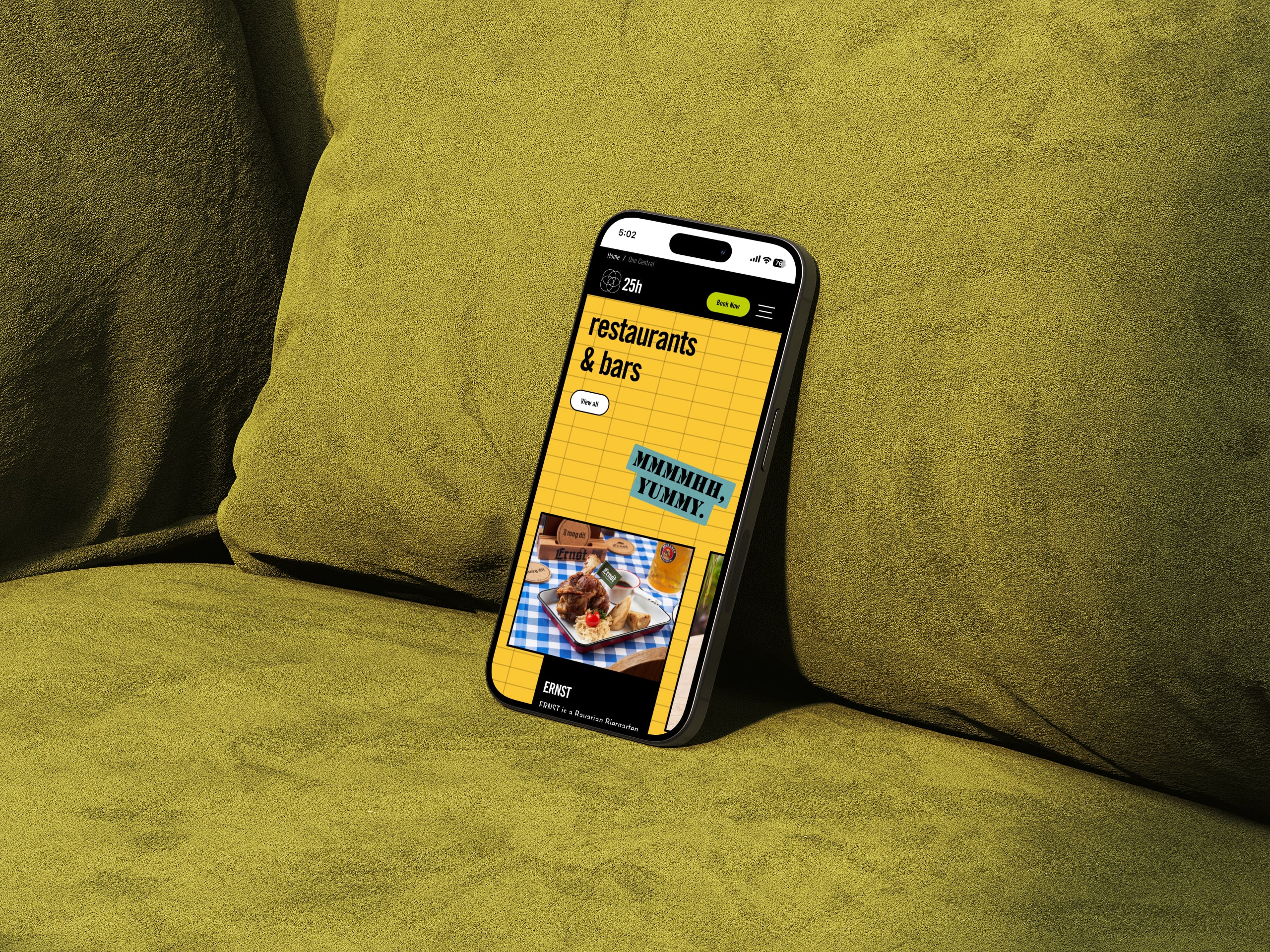
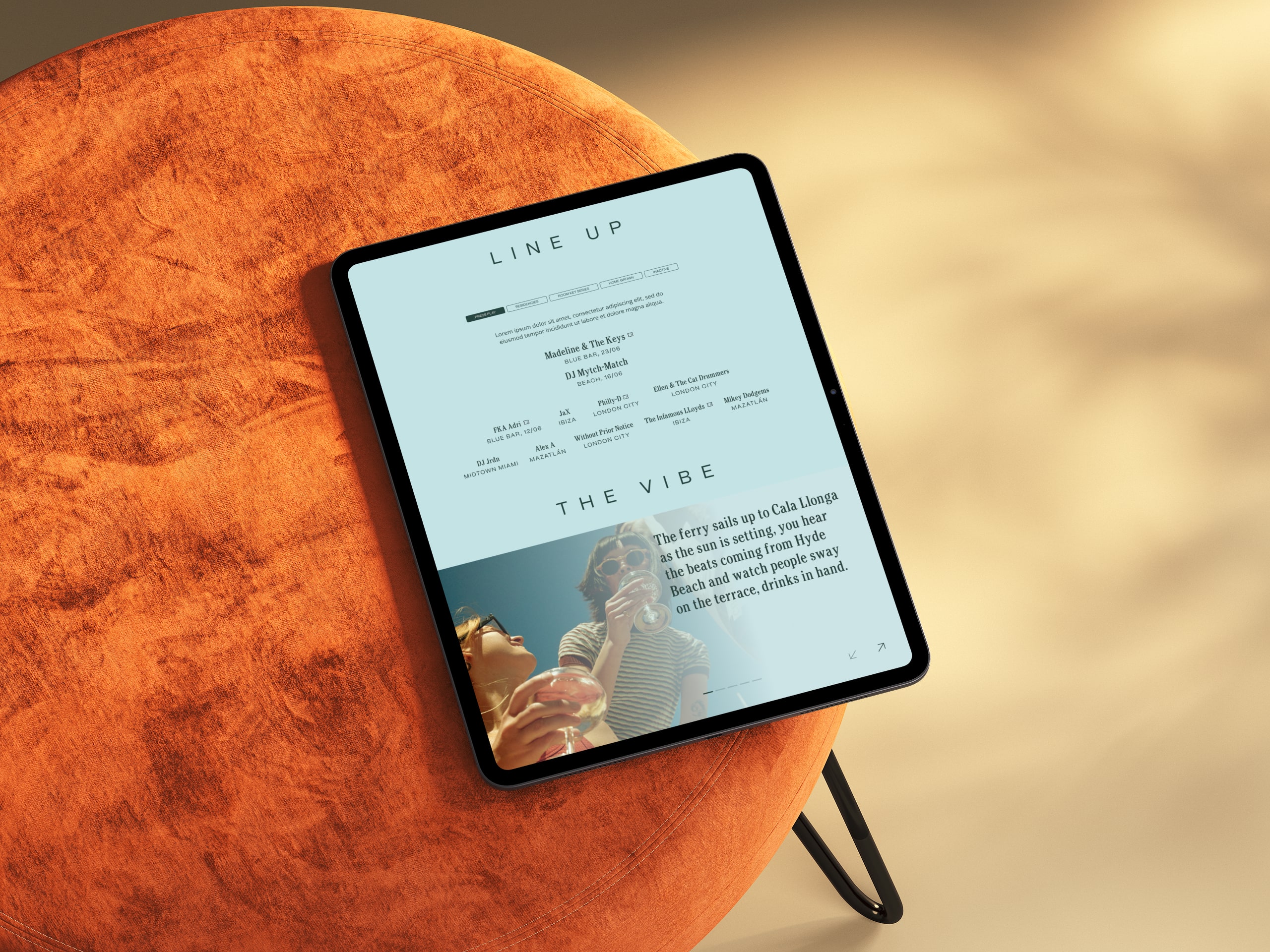
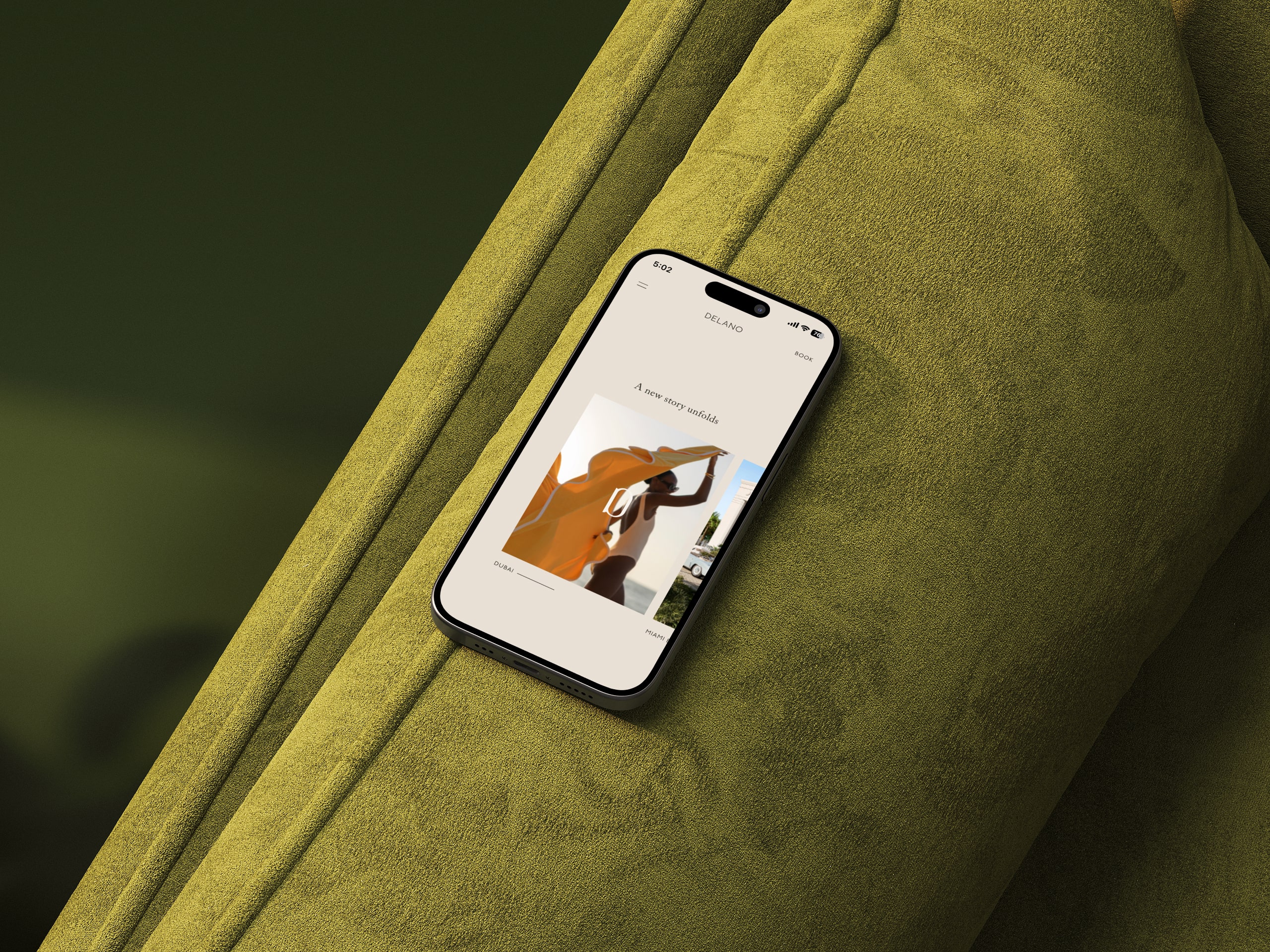
Below are some of the components and experiences I was responsible for designing as part of the projects I worked on as a Lead Designer.
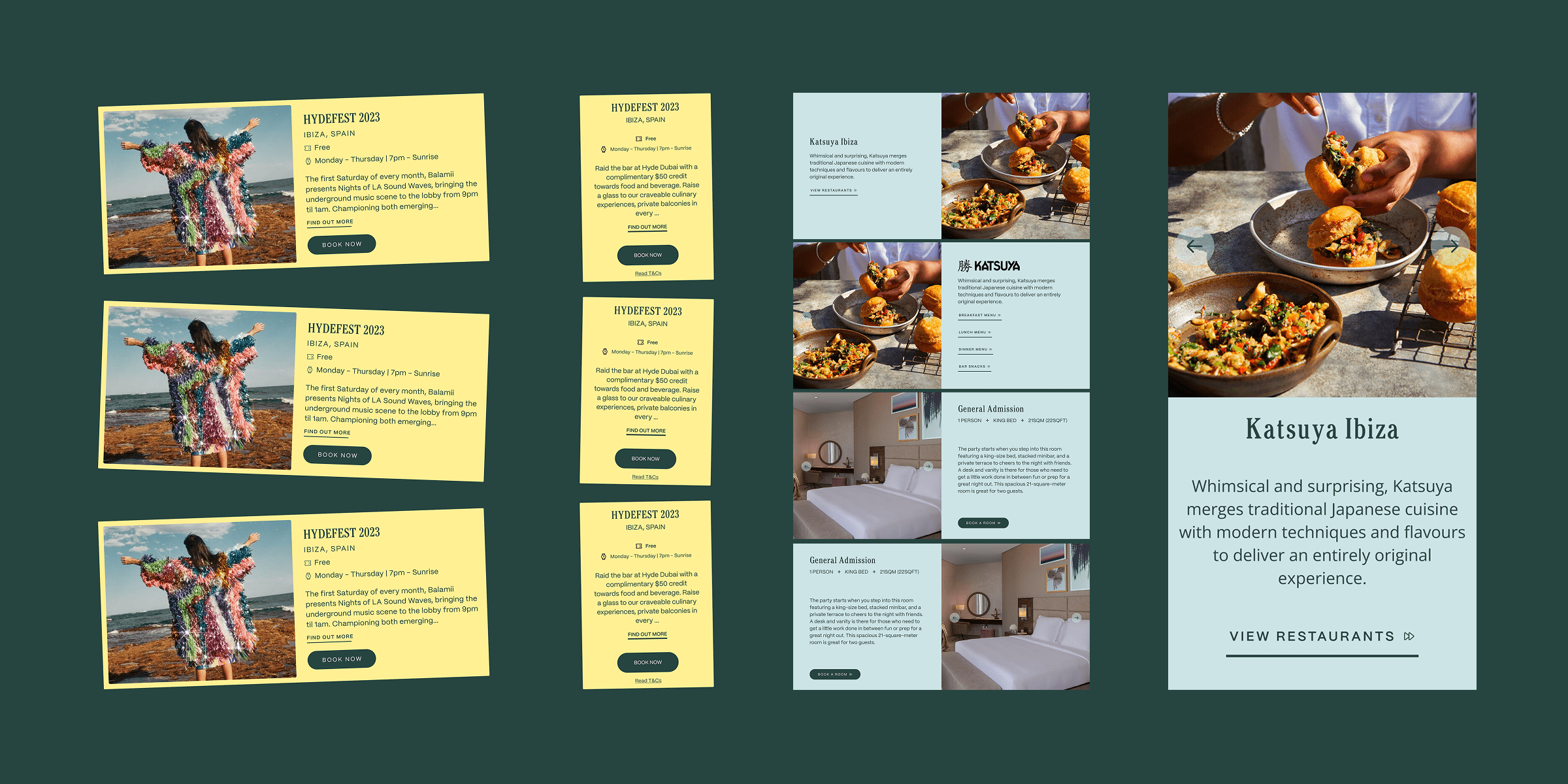
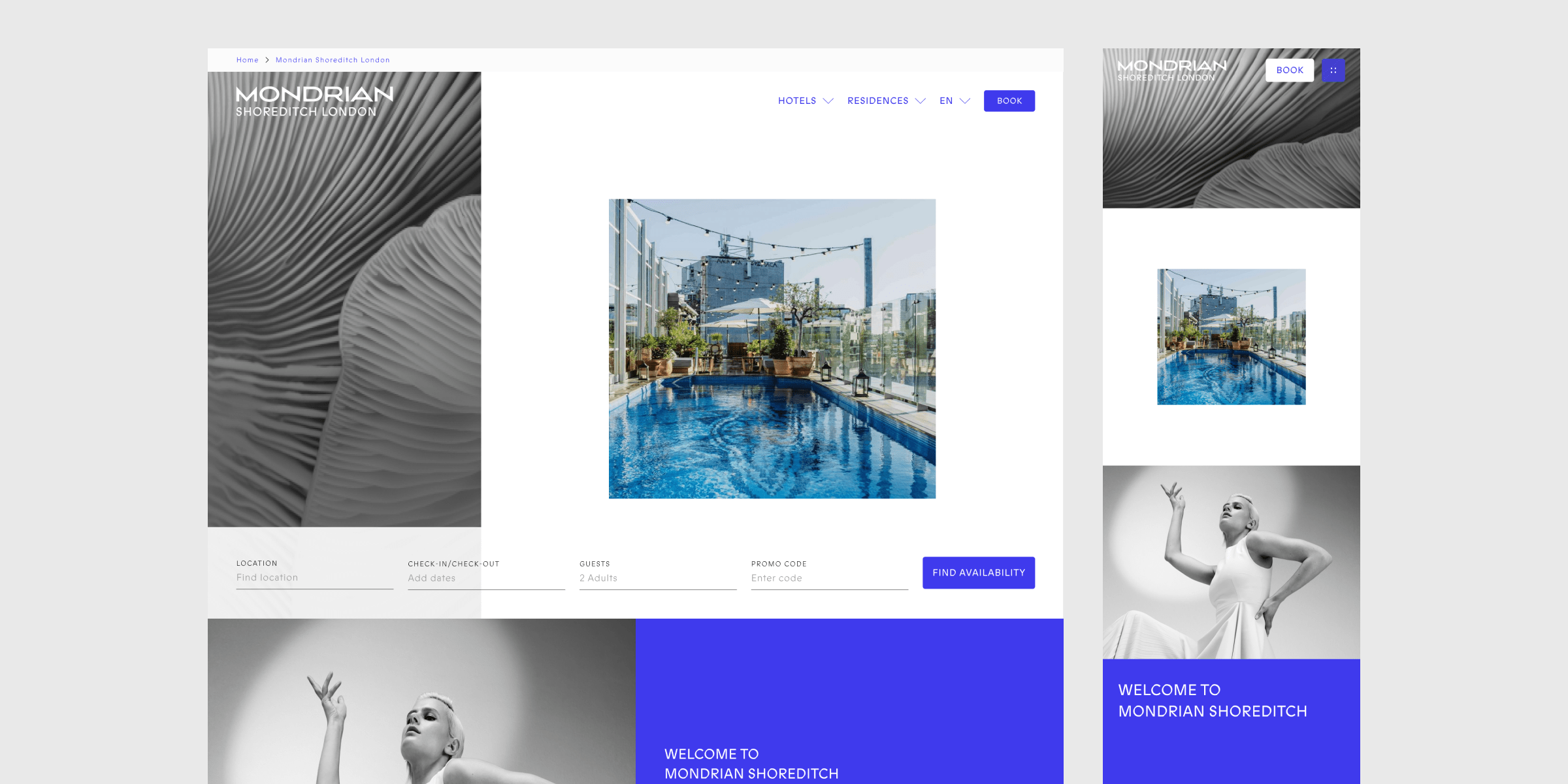
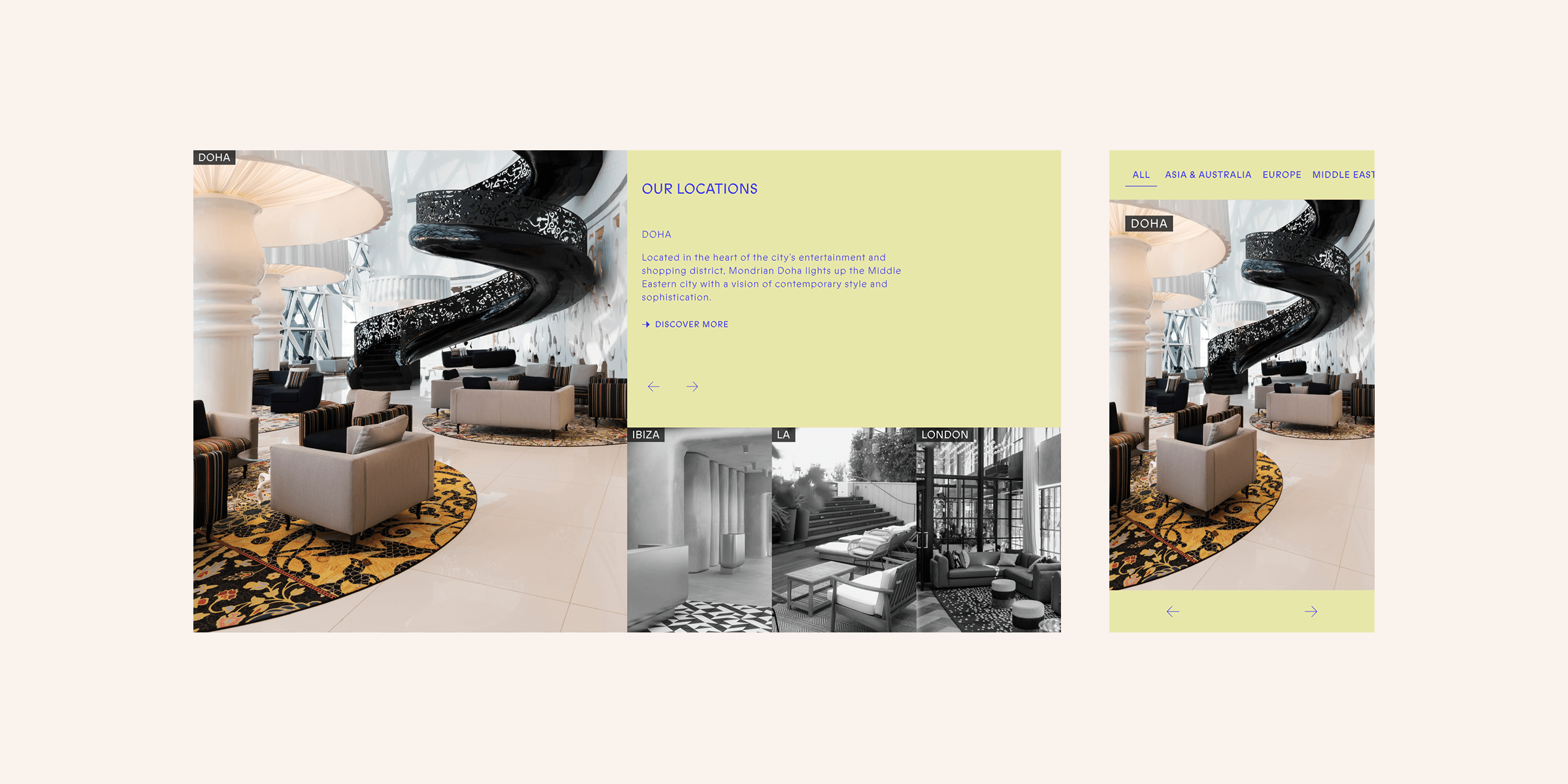
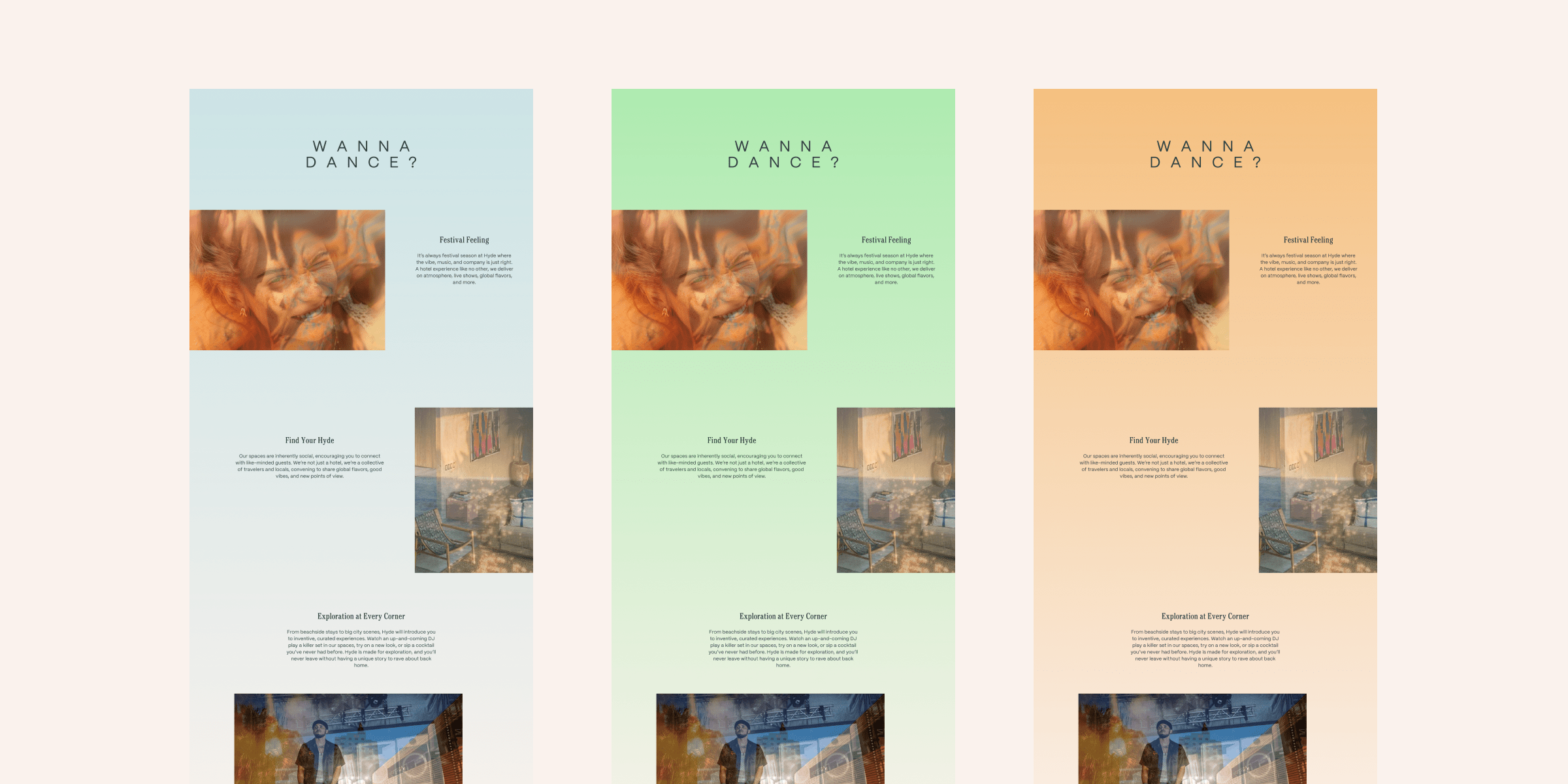
Moments of surprise
Every rebrand provided a distinctive experience that elevated it beyond a mere refresh. From enlarging keyholes to spinning globes, every animation and interaction helped to tell an engaging brand story to prepare you for your stay, meal or event.

The impact of telling stories together
By rebuilding broken relationships with key stakeholders, defining a clear strategy that calls for collaboration, channelling team expertise properly and putting in place a design system that flexes to the complex needs of our brands, I was able to get the design function back on track.
Not only did we cut design delivery time in half, but every new site launch saw an increase in traffic, conversions, average order value, and overall revenue.
167%
Increase in Availabilty Searches (Hyde)
65%
Increse in Traffic (Hyde)
27%
Increase in Av. Order Value (Hyde)
€390k
Increase in Revenue, Q1 YOY
50%
Launches in 12 months
Reflection and Learnings
Building strong relationships with the Brand was essential, despite their initial hesitation. Being involved as the Lead Designer for the first two sites allowed me to demonstrate how we could adapt our approach and show that it was achievable.
Ennismore stands out as one of the most creative environments I've ever experienced. Given the high level of subjectivity, I quickly realised that the only way to grasp what fuels the culture and gain influence was to dive in and engage with people. Building strong, trusting relationships across the organisation allowed the teams to thrive.
More Case Studies
THINK I CAN HELP?
LET'S TALK