
Generating €67m through direct hotel bookings
Migrating 70+ Hotels to our In-House Booking Engine
I joined a team facing challenges with the technical complexities of migrating hotels to our in-house booking platform. By working closely with stakeholders and rethinking our strategy, I oversaw 70 successful migrations in just 10 months, accommodating over 100,000 bookings and generating €67 million in revenue.

POSITION / SNR DIRECTOR OF PRODUCT

INDUSTRY / HOSPITALITY-TECH

COMPANY SIZE / 10,000+ EMPLOYEES

VALUATION / $3 BILLION

PERIOD / 2023 - 2024

The chase for direct bookings
Over the years, Online Travel Agents (OTAs) have become the de facto way of booking travel and accommodation. OTAs capture about 40% of the market share compared to direct bookings, which is as low as 5%.
Although OTAs offer many benefits to users, such as convenience, speed, and price comparison, this comes at a hefty cost to hotels (up to 20%) and limits how they can position their product and brand, which can negatively impact the guest experience.
Our founding Brand, The Hoxton, bucked this trend, acquiring over 25% of bookings through its website alone. This was achieved by developing an industry-leading booking platform that puts the guest experience at the heart of the journey.
Our goal was to migrate all hotels (roughly 150, across 15 brands) to the new platform, enabling a better user experience and increased profitability for the business.
Our Objectives

LEAD WITH BRAND
Create an end-to-end booking experience that feels like each brand.

IMPROVE LOYALTY
Build a tailored journey that our guests prefer to use.

INCREASE PROFIT
Reduce guest reliance on OTAs to book their stay.
I
Rethinking our approach, completely!
Before I joined the team, they had developed a strategy aimed at achieving feature parity with competitors. They were also attempting to manage migrations on a brand-by-brand basis. However, this approach proved to be highly complex, resulting in numerous delays and a single new brand migration the previous year.
It was clear that the approach needed to change significantly, and the pressure was on to make up for the year before.
Defining our guiding pillars
The issue with the old strategy is that it tried to do too much at once. I worked with my Value Stream to identify all the layers of complexity we were coming up against.
The key areas of concern:

Blocked by external parties
Over-reliance on things we couldn't control.

Trying to feature-match off-the-shelf products
Regardless of whether our hotels and guests needed them.

Treating stakeholders like clients, not partners
Hindering collaboration. Overpromising and underdelivering.

Tackling multiple brands and territories simultaneously
Paralysed, trying to solve everything, all at once, such as Tax.
By identifying these core challenges, I developed practical guiding pillars. I shared, discussed, and gained buy-in from stakeholders across the business, who ultimately supported the strategy.
1 ENVIRONMENT
Start with one PMS instance and iteratively expand as we learn.
1 BRAND & REGION
Start with a single Region, Brand, Revenue, and Ops team at a time.
ORDER BY REVENUE
Group hotels by revenue potential and align with commercial objectives.
CORE+ APPROACH
Define a set of core features that will satisfy most of our hotels.
Taking the team from Agency to Partnership
The Product team traditionally viewed deliverables as short-term projects for "clients", but the booking engine was integral to each hotel's revenue and marketing strategy, requiring a collaborative partnership.
Moving forward, our revenue, hotel operations and marketing teams needed to be heavily involved in the discovery, planning and implementation of everything we do.
We also implemented a portal with a live roadmap of releases, regular release notes and a documentation repository. Stakeholders could now see everything in one place.
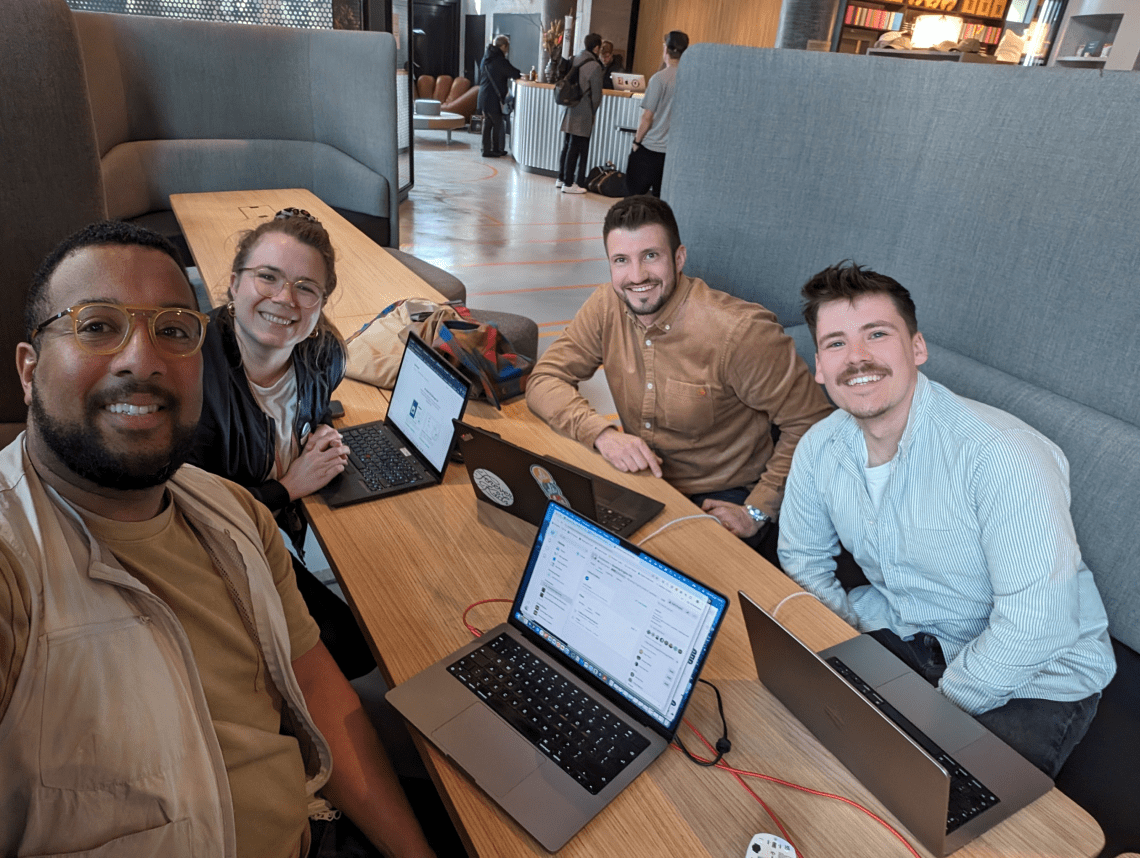
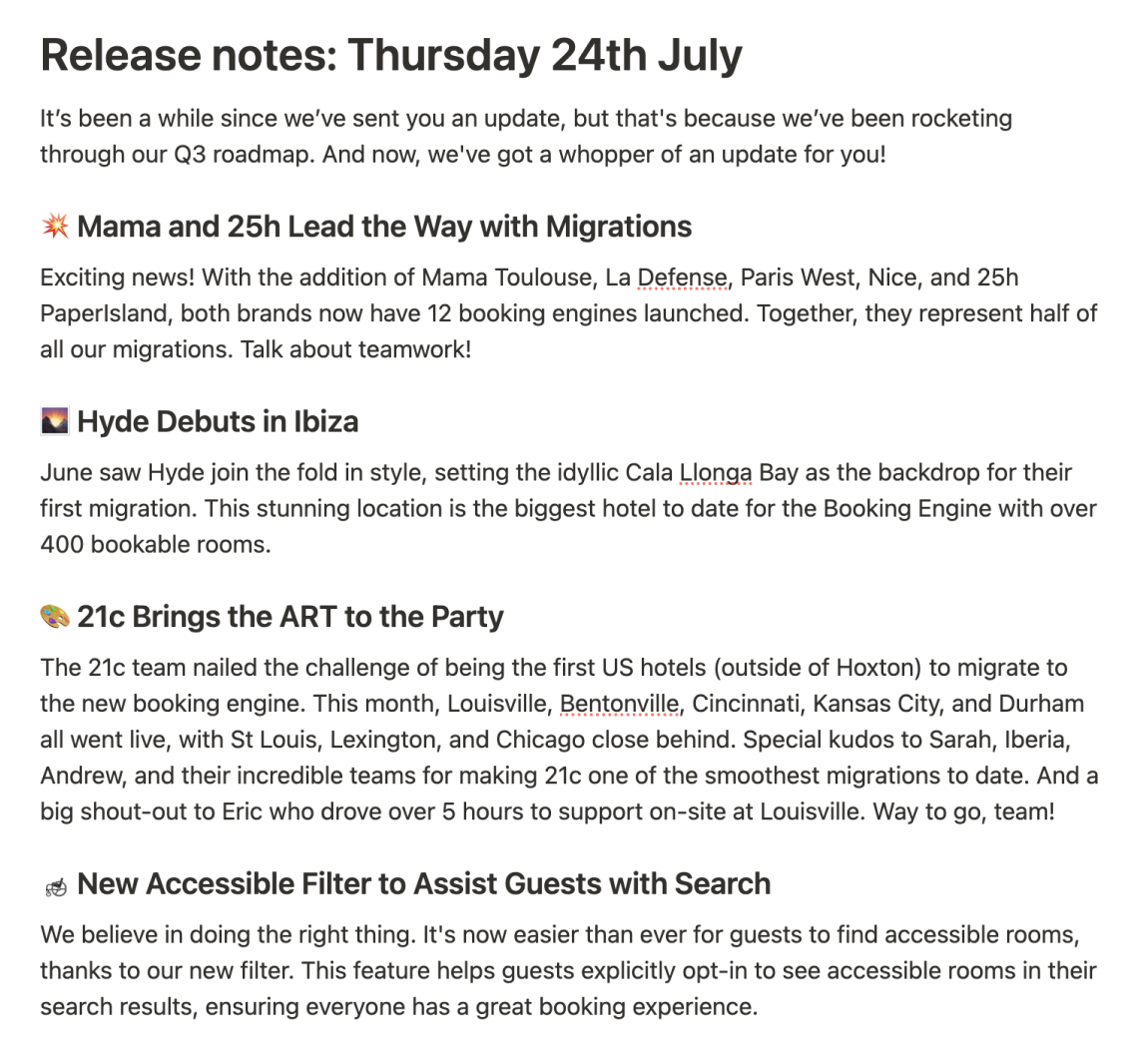
Working with the hotel team at 25h Zurich and our new release notes
The "CORE+" Approach
Previous attempts to build the booking engine relied heavily on matching all the features of the current off-the-shelf solution.
I raised two major flaws in this approach:
1
Our hotels don't currently use all of the features they have.
2
We don't have the resources to build every feature simultaneously.
We all agreed. Our approach needed to change, and something had to give!
Working with the hotel teams, I created the CORE+ approach, designed to reduce complexity and unblock the migration roadmap.
CORE
Features that a majority of our hotels need for launch.
Features that some hotels need for launch, tackled as required.
II
Focusing everyone on the same goals
Despite the team's growth, delivery and stakeholder relationships did not improve. The lack of a clear vision added complexity, leading to continued deliverability issues and inconsistent communication.
To address this, I collaborated with the team to establish clear initiatives that aligned with our commercial objectives. The team was then reorganised into two autonomous squads responsible for distinct areas of the roadmap.
INITIATIVE
Migrate 24 hotels by the end of Q4 2024 to acquire an additional €1.2m in booking fees
COMMERCIAL ALIGNMENT
£5M in fee revenue
INITIATIVE
Introduce new features to meet user expectations and drive increased conversion/revenue
COMMERCIAL ALIGNMENT
£5M in fee revenue
INITIATIVE
Enable direct Dis-loyalty bookings via the Ennismore Booking Engine API
COMMERCIAL ALIGNMENT
55,000 new loyalty members
INITIATIVE
Implement high-level core metric observability across the booking engine (Frontend, Backend, UI, UX)
COMMERCIAL ALIGNMENT
Operate at a 55% profit margin
Putting together a realistic roadmap
It was starting to become a running joke that nobody knew what the teams were doing or when anyone would see the booking engine arrive. Although unfair, the team had been operating in silo trying to keep some of the complexity away from stakeholders.
In fact, what we needed to do was the opposite. Working with stakeholders, we defined clear initiatives, scoped and sized them and then sequenced them over 12 months. This created transparency, improved engagement, and we saw stakeholders take more accountability for decisions.
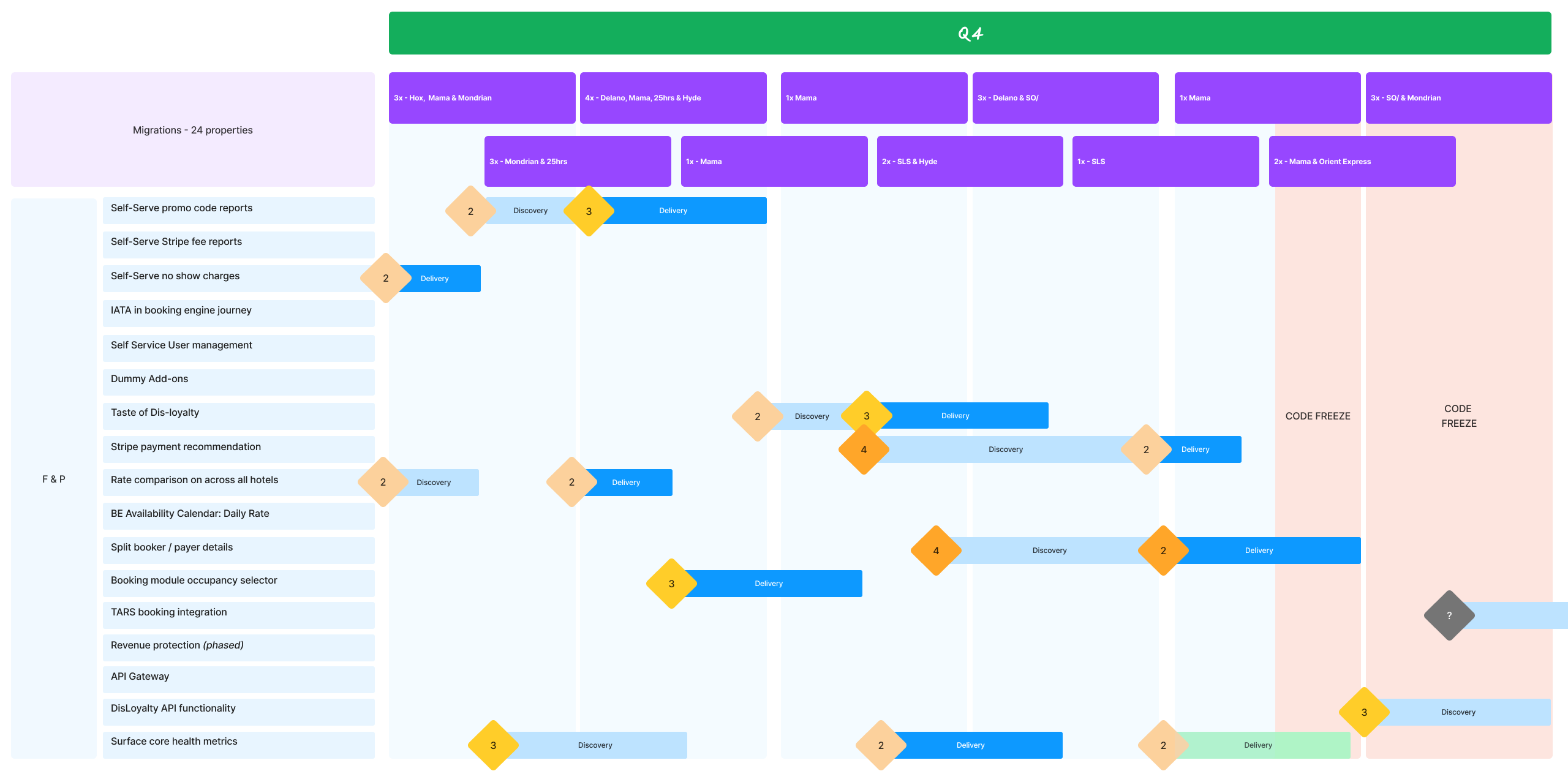
A snapshot of our new product roadmap with high-level timeline, sequencing and effort scores.
Creating squads that own their delivery
The team had increased in size to try to resolve capacity issues, but this didn't have the intended impact. Without a clear vision, this only added to the complexity as the team struggled to mobilise people effectively.
To resolve this, I reorganised the team into two distinct squads:
Squad 1 "Dolphins" - Migrations
Deploying the new Booking Engine into our hotels.
Squad 2 "Gophers" - Platform & New Features
Releasing new Booking Engine features and building the underlying platform.
III
Building a brand-led experience that performs
Refined brands that convey emotional stories are central to Ennismore's success, frequently winning awards and appearing in travel magazines like Conde Nast.
Everything we did had to inherit this DNA whilst performing commercially.
Reaping the benefits of less complexity
By building the booking engine on a single codebase, we were able to unlock efficiencies and insights unique to our business.
This allowed us to a/b test across brands, understand top-level performance, roll out new features quickly (and safely), isolate and fix issues promptly, and reduce downtime.
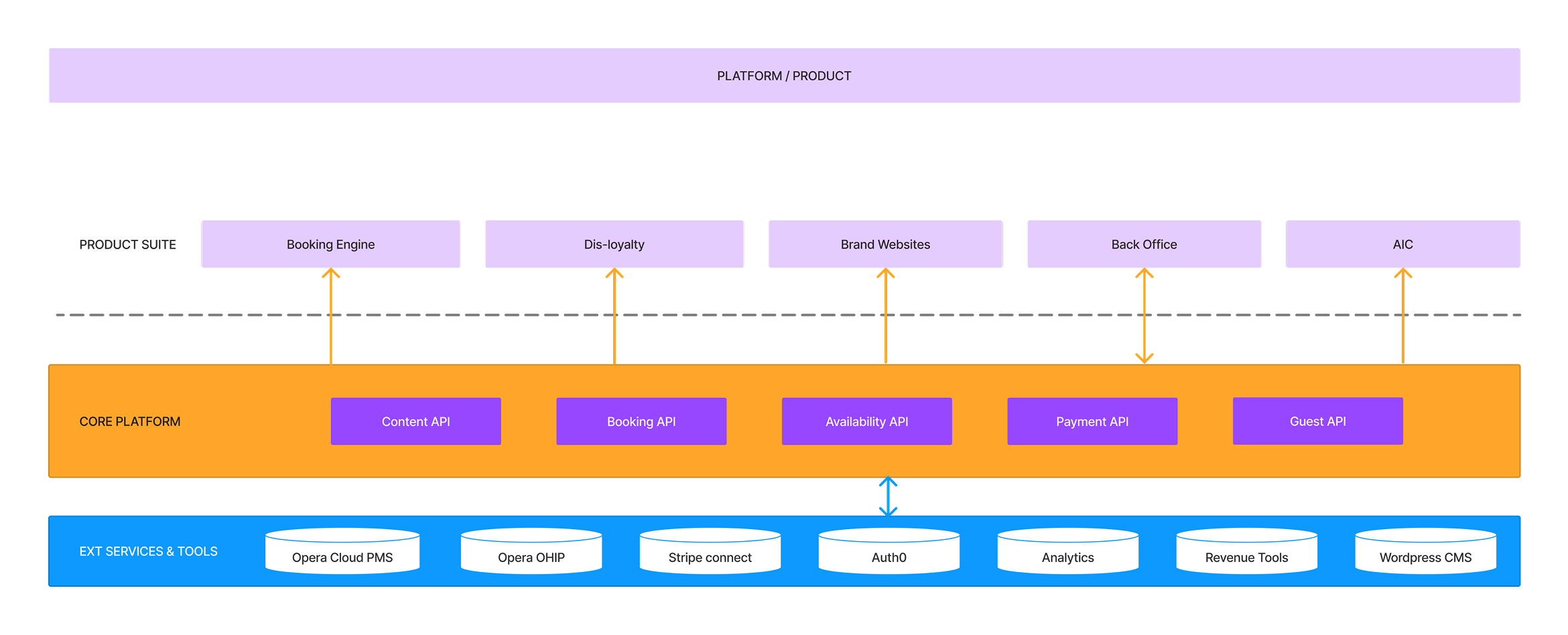
An illustration I created to help non-technical stakeholders understand how our products work
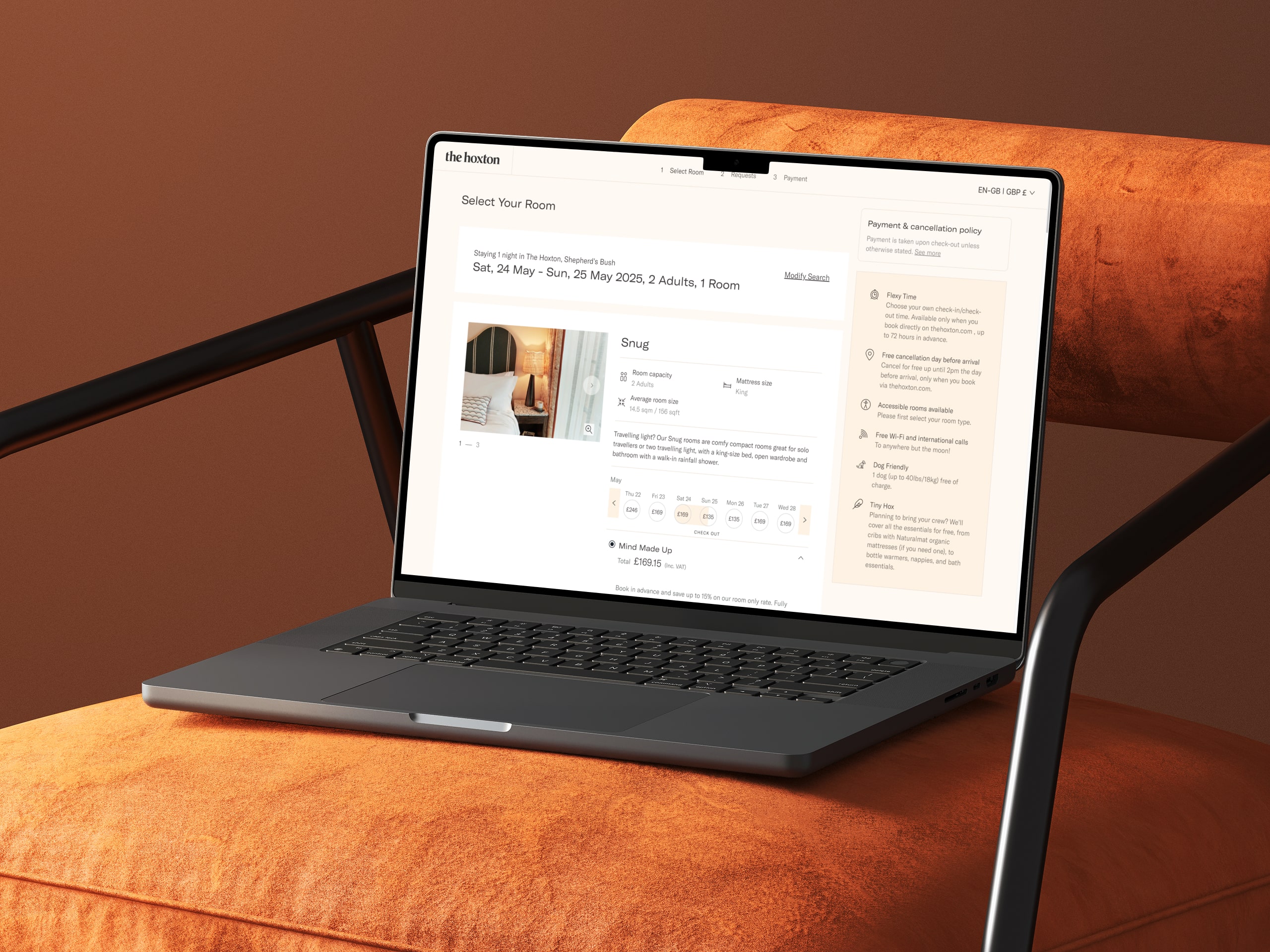
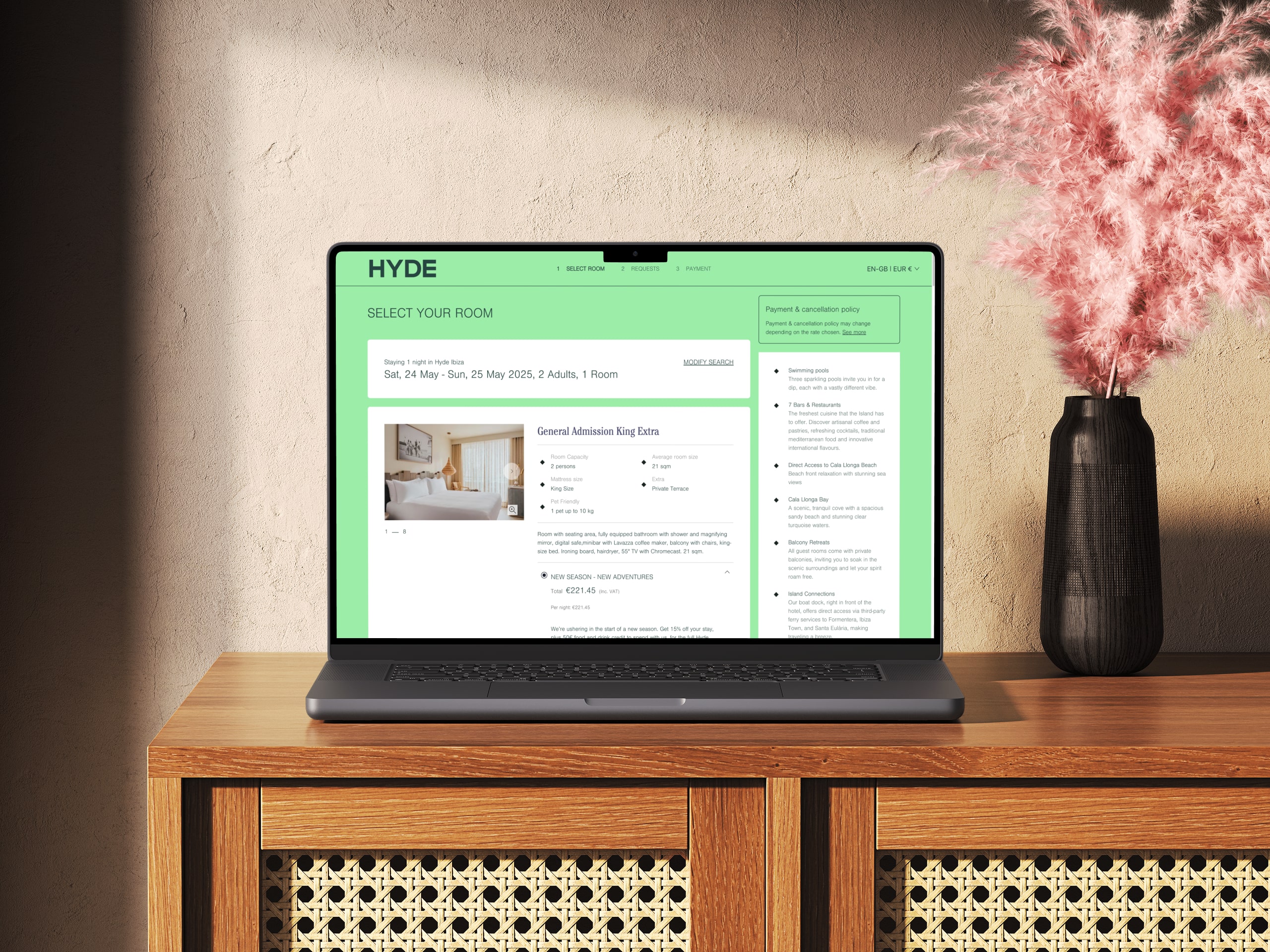
An experience that feels like the brand
As well as underperforming, off-the-shelf solutions tend to make the overall experience and flow feel disjointed, as flexibility is limited.
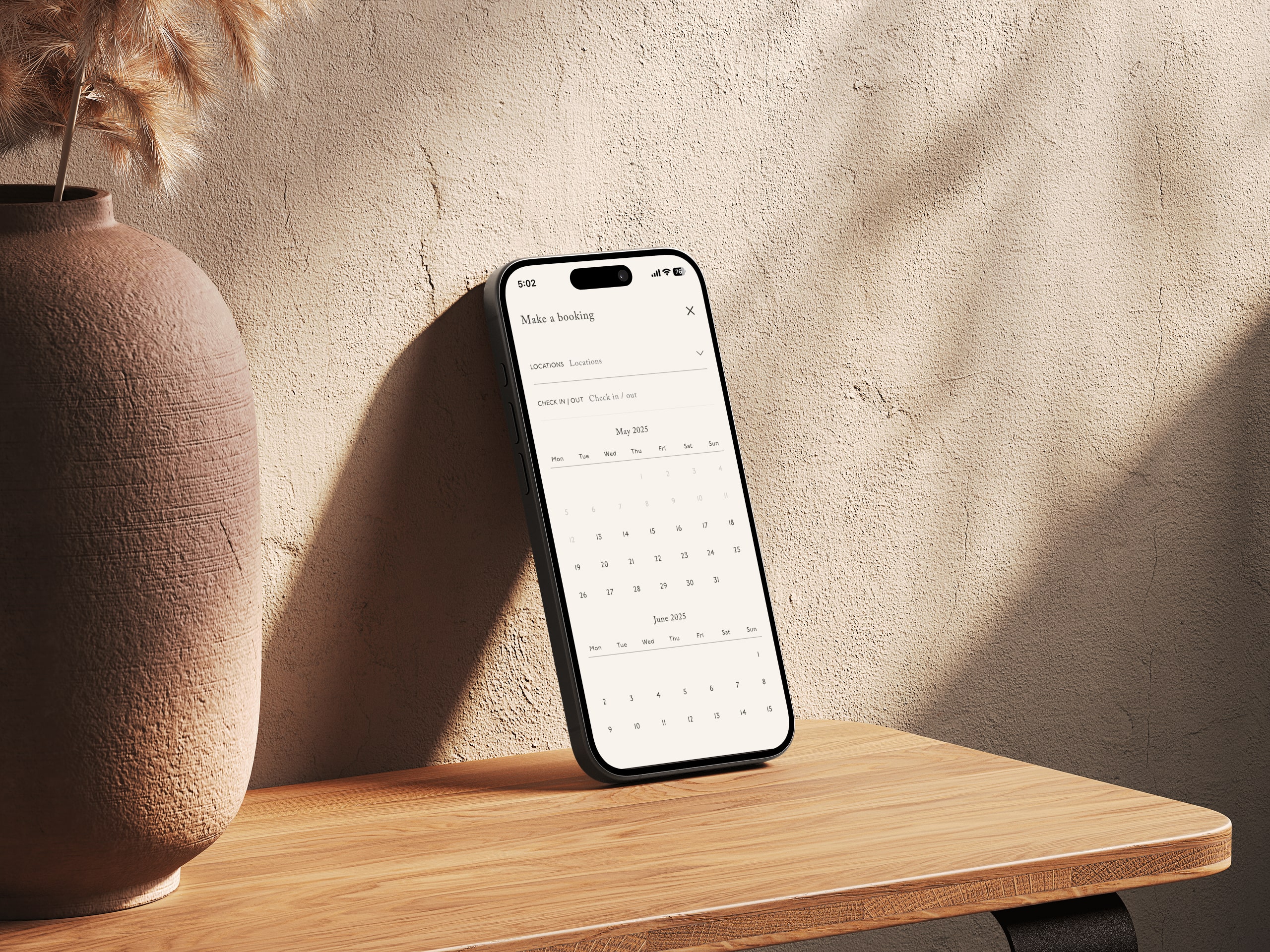
Our in-house booking engine was designed from the ground up to perform and enhance the end-to-end brand experience for the user.
We achieved this by creating a central design system that featured optimised page structures and flows, whilst supporting substantial modifications to the UI.

Designing built-in flexibility
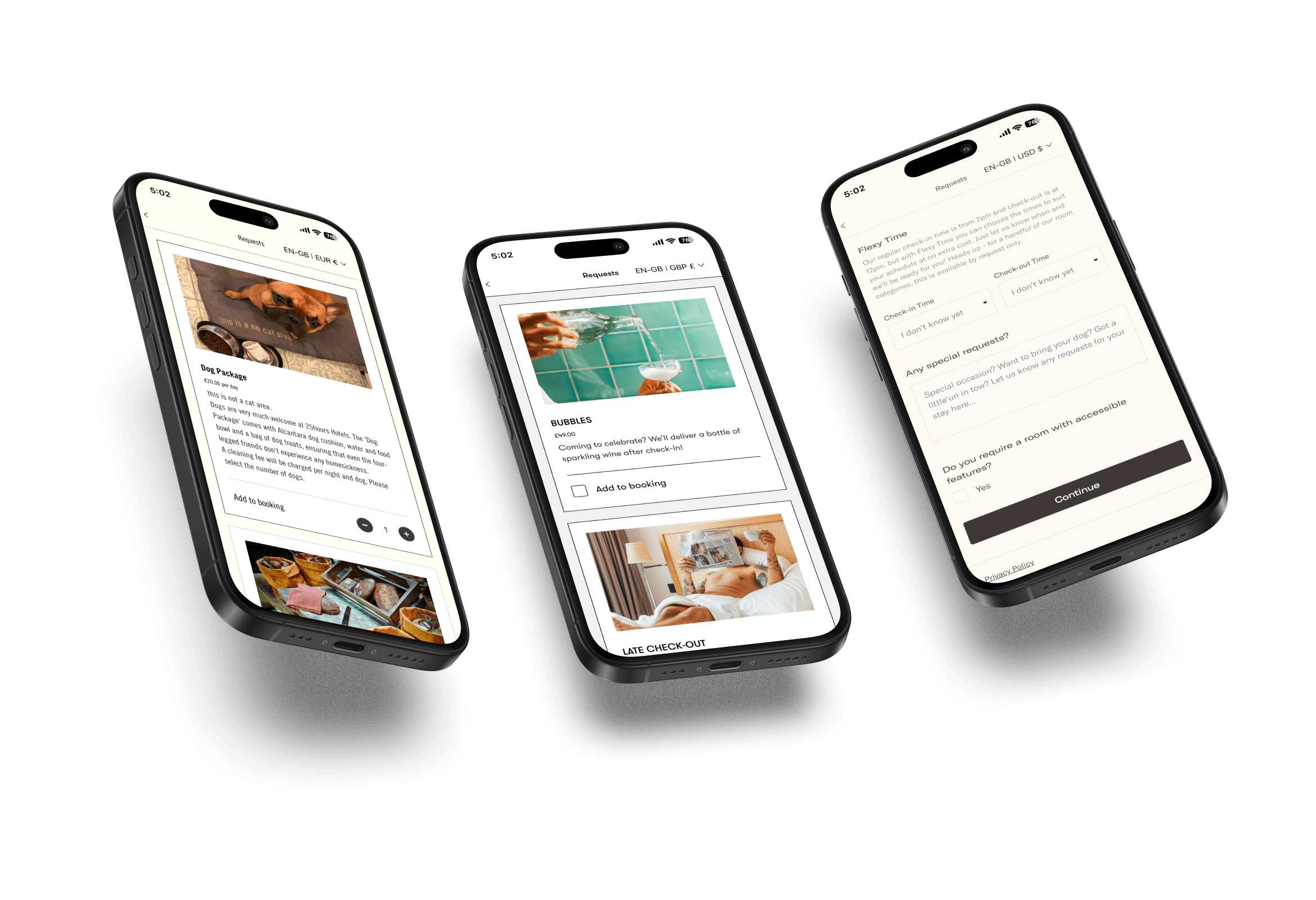
Booking rooms was only part of the experience. Revenue managers were always thinking about creative ways to package their products and offer unique experiences for guests.
Customising inventory isn't easy, but we created the dummy add-on feature that allowed revenue managers to simulate bespoke products that could be added to the booking flow instantly. If successful, we would then build the feature and fully integrate it with the PMS.
This approach enabled us to continue migrating hotels to the new platform while simultaneously introducing new features in a less disruptive manner.
Tackling the complicated subject of Tax and Fees
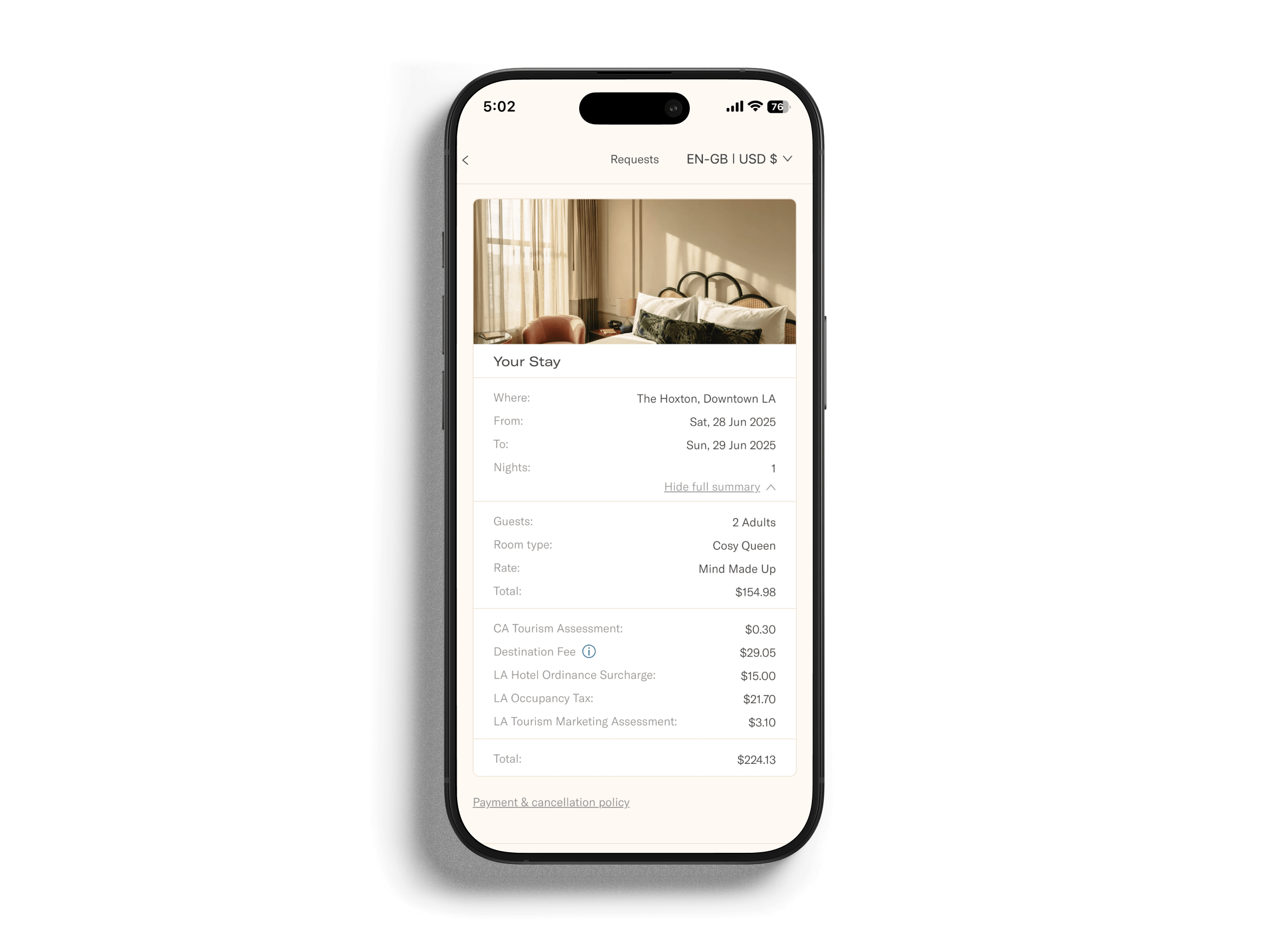
Hotels have extremely complex taxes and fees that range from legally mandated charges, such as City Tax, to property-imposed charges like Resort Fees. If you get these wrong, you may not only confuse the user but also break the law.
We built a system that could display custom breakdowns from an individual hotel all the way up to country level.
Integrating our Membership Programme
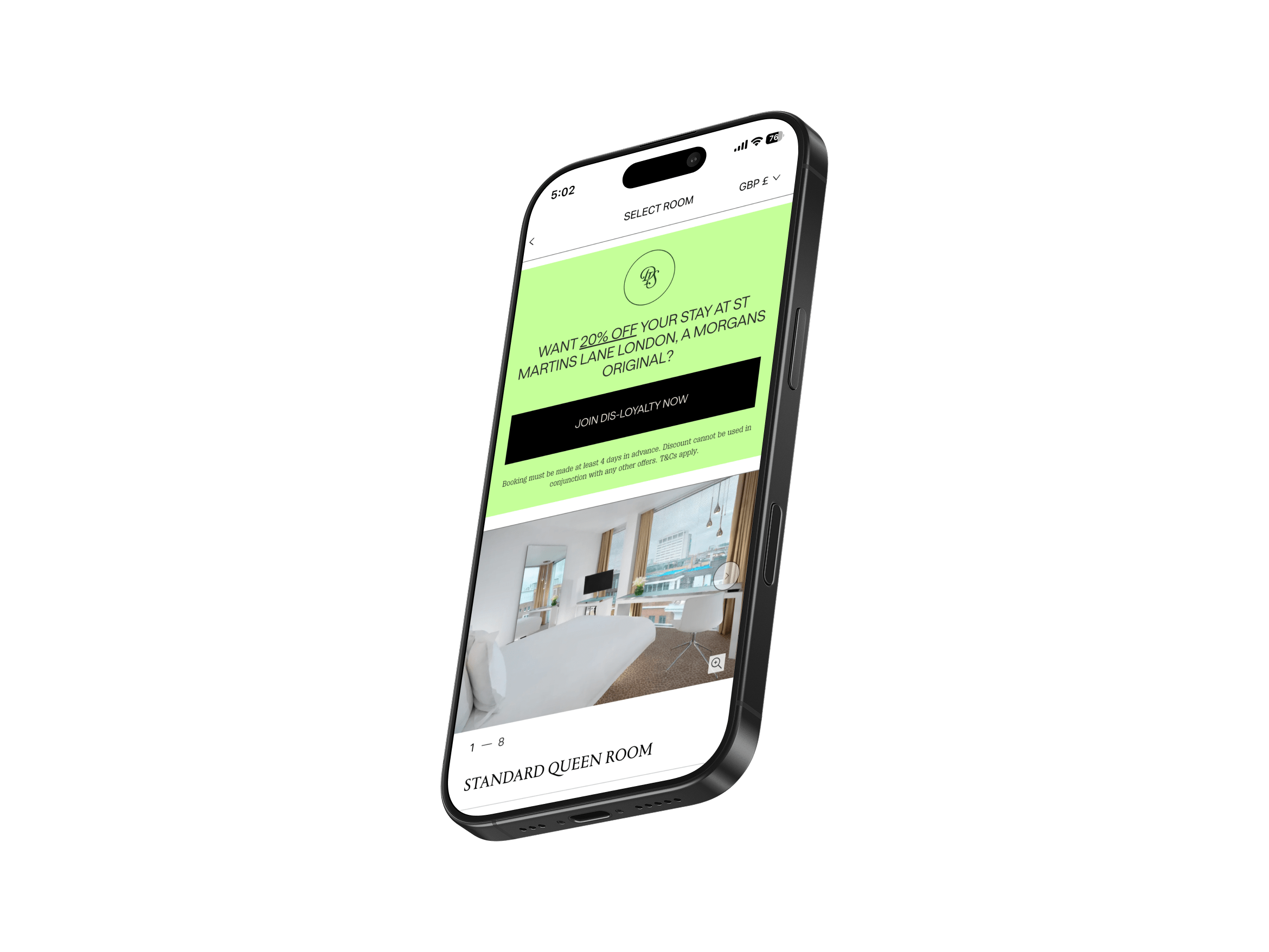
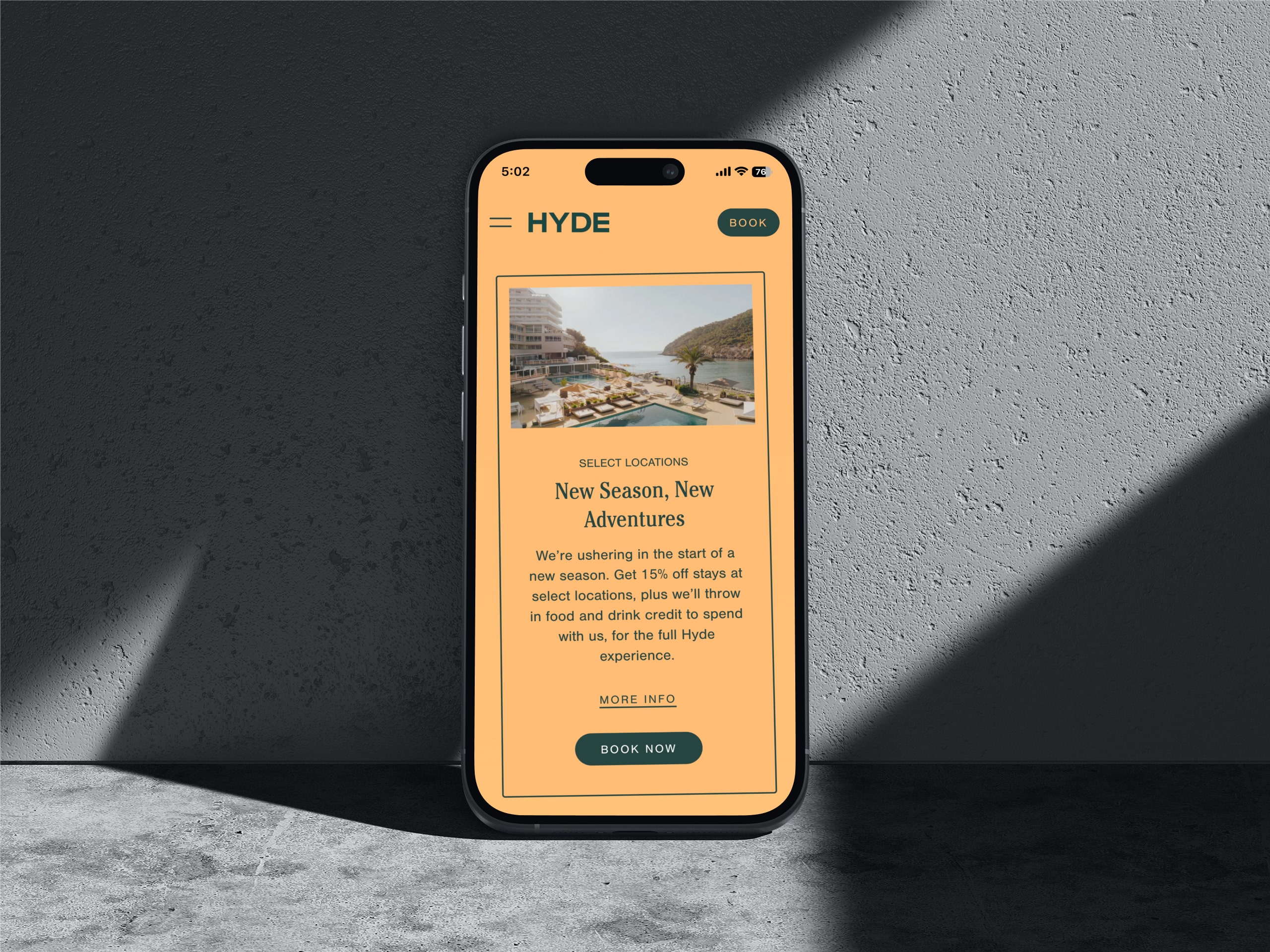
Dis-loyalty membership was introduced in mid-2024. Guests could pay a small monthly fees to get daily perks and big discounts on our hotels around the world.
With the membership base growing steadily, we hypothesised that the ideal point of sign-up would be when a guest is actively booking a trip.
This was correct, and the Booking Engine eventually accounted for 20% of all new membership signups.
What migrations unlocked for the business
Ennismore spent nearly two years trying to move hotels to its in-house booking platform with little success. By introducing an approach that eliminates unnecessary complexity and focuses on core features, while facilitating stakeholder collaboration, I was able to turn the migration project around completely.
In just 10 months, we successfully deployed over 70 migrations, a significant increase from the 1 migration the year before.
70+
Hotels Migrated
€67m
Additional Revenue Generated
100,000
Direct Bookings Completed
x2
Increase in Revenue, YOY
~ 168k
Monthly Visitors
+ 150%
Conversion for 21c Hotels
Reflection and Learnings
Due to the success of migrations, an equally ambitious yet pragmatic approach became part of the team culture.
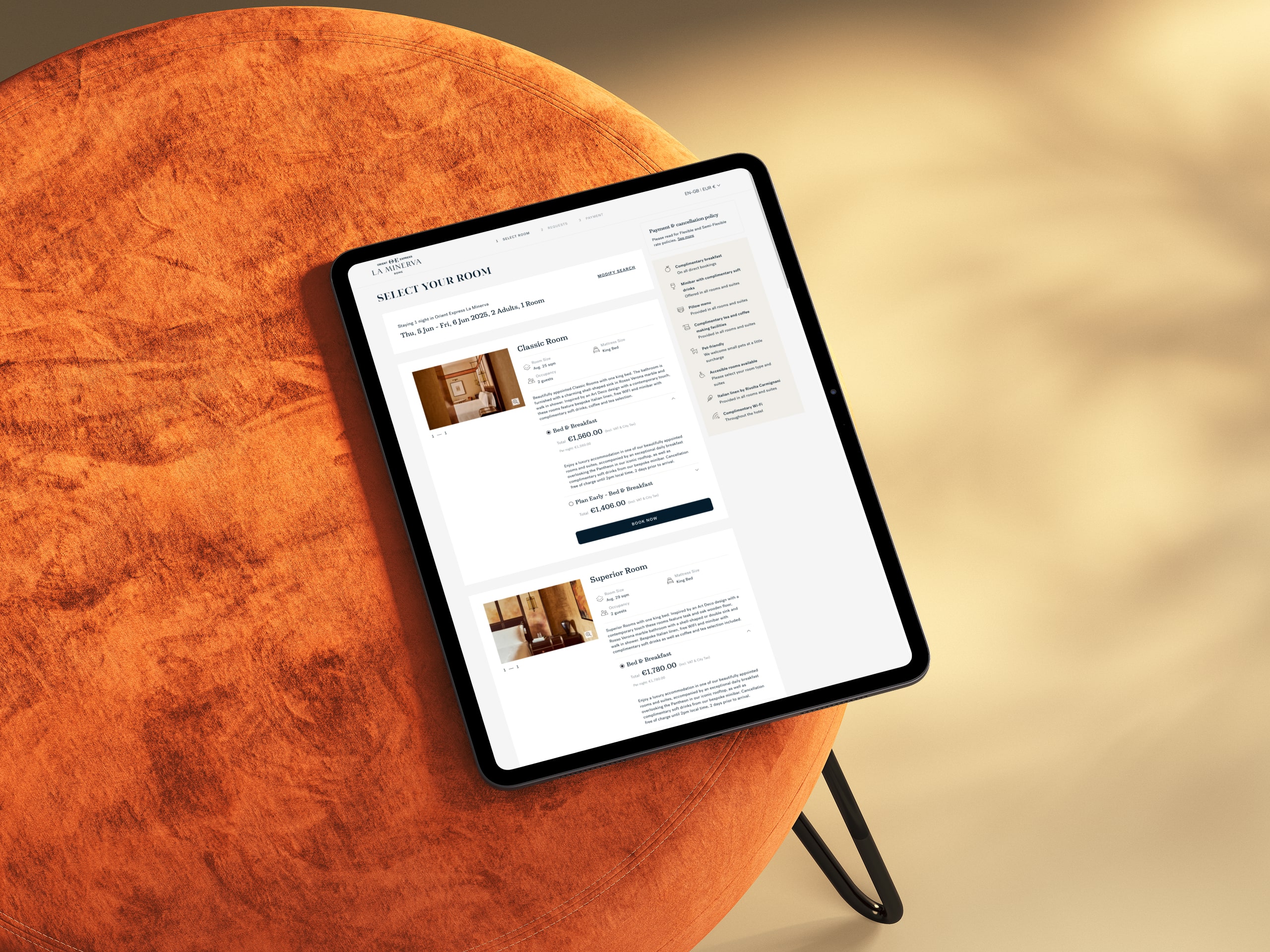
This change shifted internal sentiment towards the team and piqued the interest of sister brands outside of Ennismore. Orient Express debuted its first property and chose the Ennismore Booking Engine to power the experience.
More Case Studies
THINK I CAN HELP?
LET'S TALK